Hong Kong non-banking stocks surge, we called it again

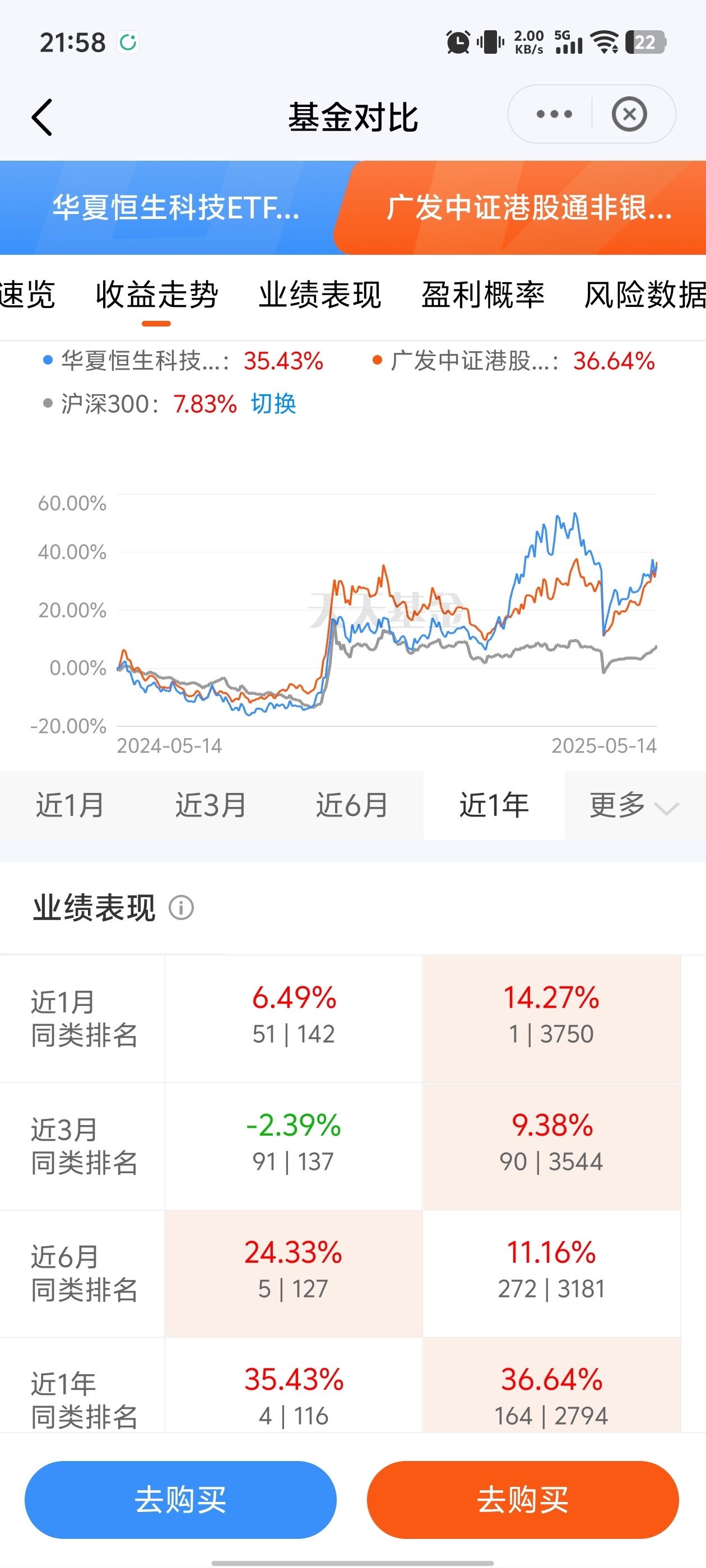
We posted an article titled "Today's Surge in Hong Kong Stocks: An Overlooked Sector" two days ago, mentioning that during the Hong Kong stock rally, in terms of volatility, the non-banking financial sector might not underperform popular choices like the Hang Seng Tech Index.
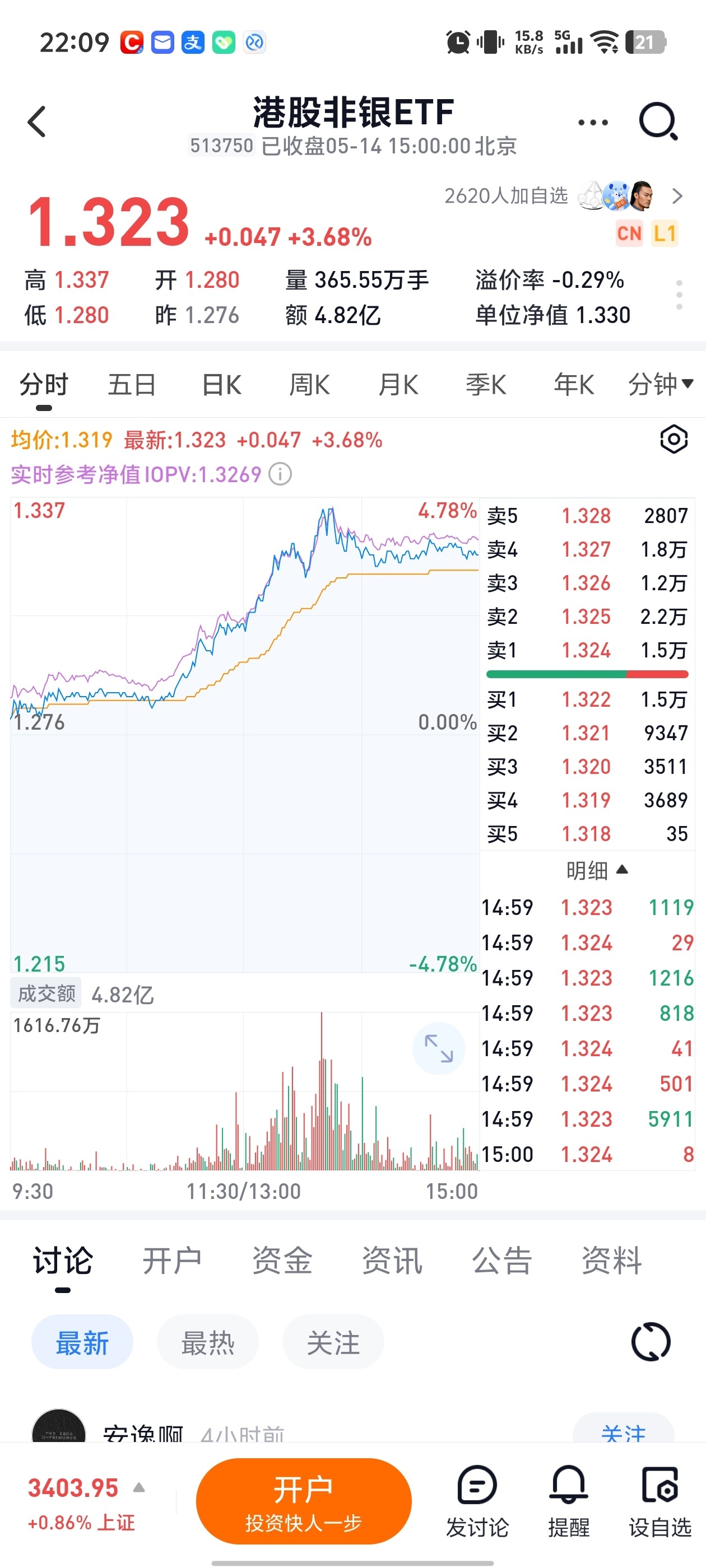
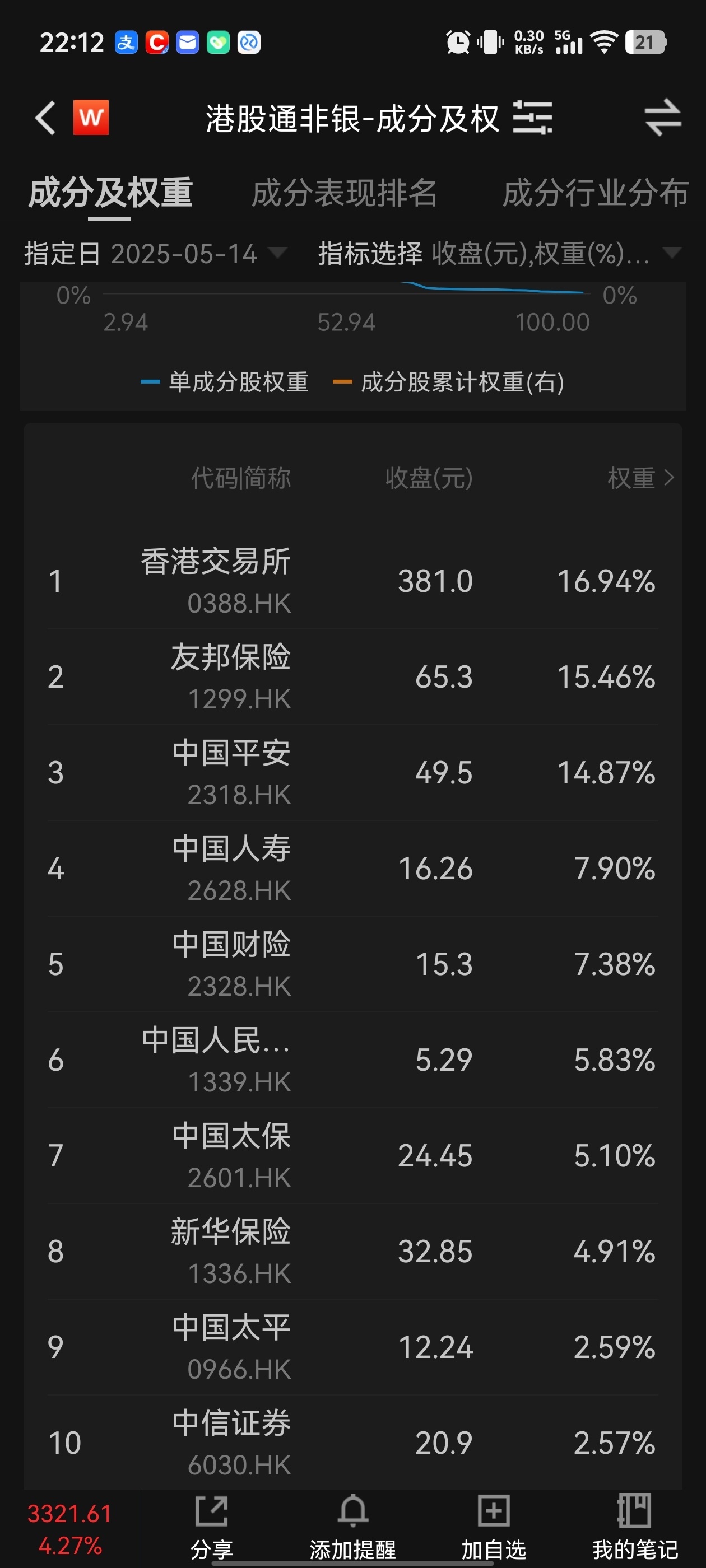
Today's market action confirmed this again—the non-banking financial sector continued to outperform the Hang Seng Tech Index. Notably, the Hong Kong non-banking financial ETF closed at 3 PM with a 3.68% gain (the index rose 3.95% at the same time), but Hong Kong stocks continued trading until 4 PM, with the index eventually closing up 4.27%. This means the non-banking financial ETF is still trading at a discount, and tomorrow it should at least reflect the gains from the 3-4 PM session.
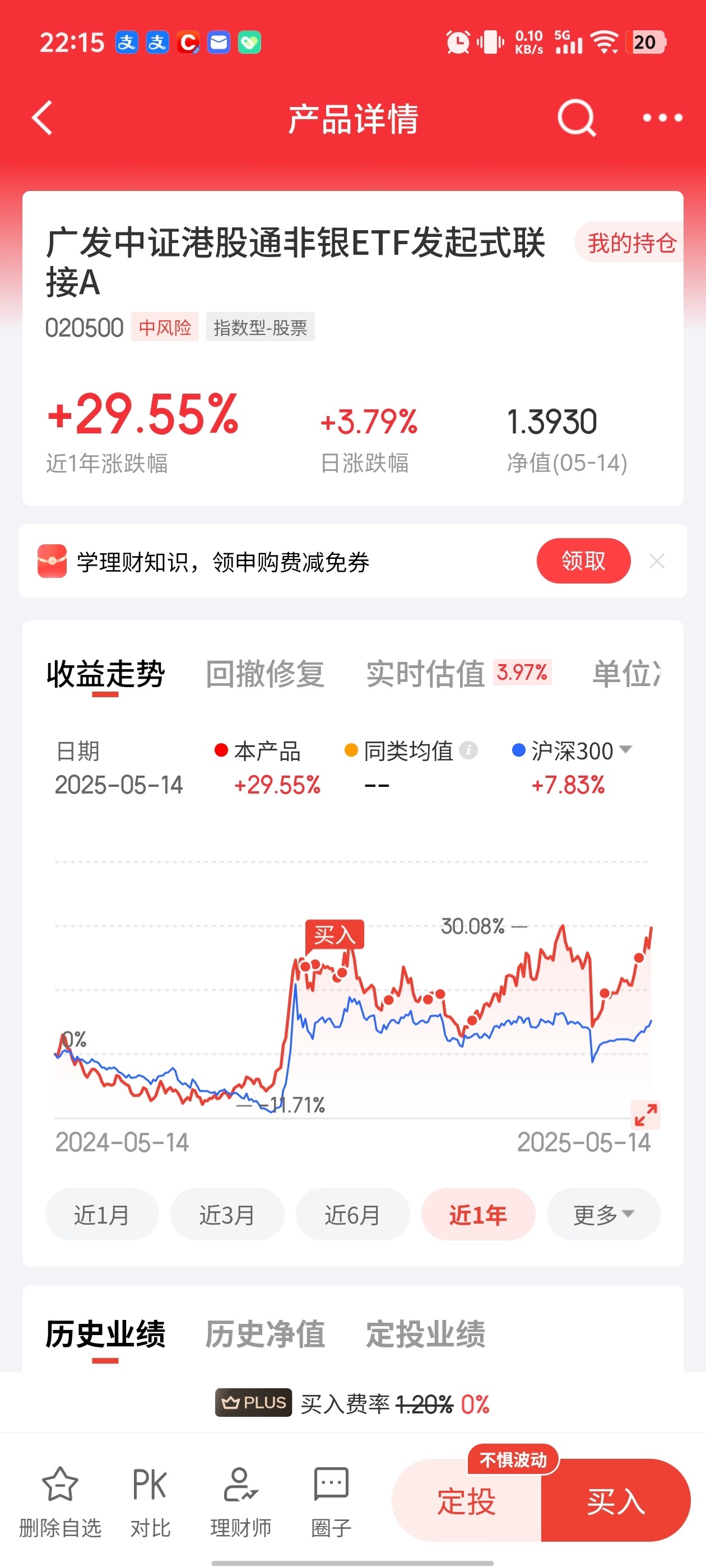
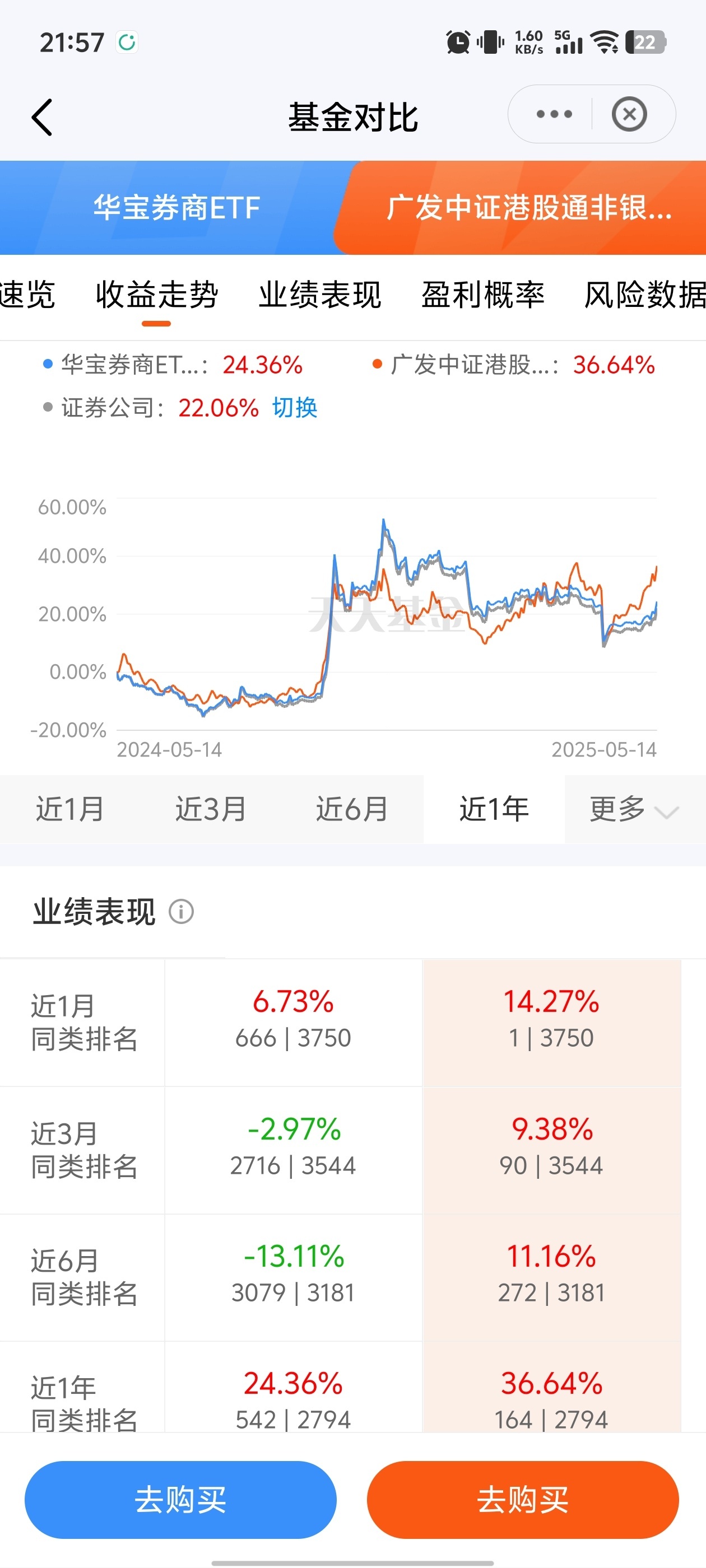
Over the past year, it has held its own against A-share brokerage ETFs and Hong Kong's Hang Seng Tech ETF. My Hong Kong non-banking fund, after several manual investments, is now up 10%.
Beyond the reason I mentioned in my last article—that sectors like securities and insurance, as bull market leaders, perform well when Hong Kong stocks heat up—there might be another factor:
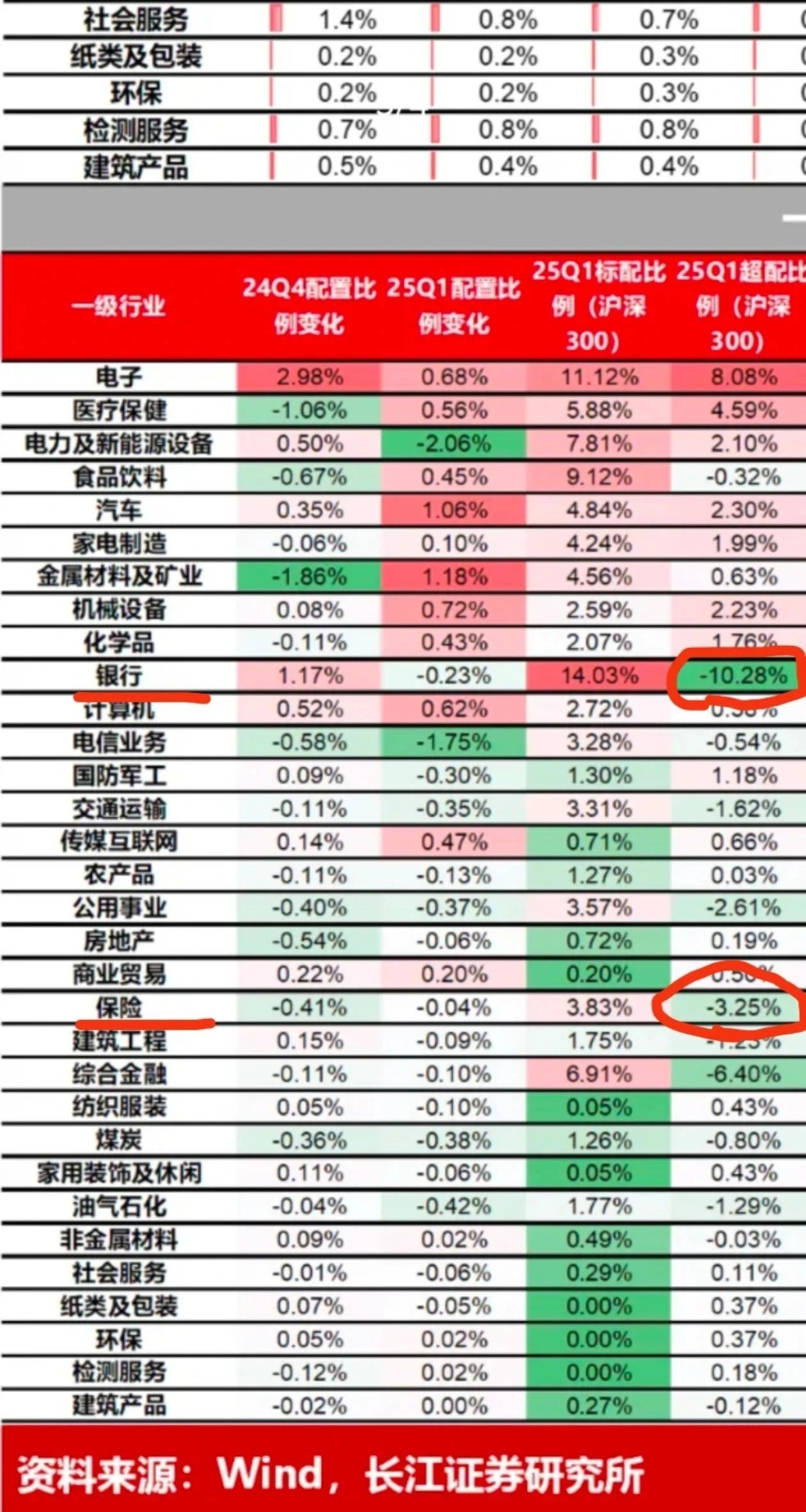
Recently, regulators proposed reforms for public funds, including linking fund fees to their performance relative to benchmarks. Many funds use the CSI 300 as a benchmark, which is heavily weighted toward large-cap stocks like banks and insurers.
However, public funds have historically underallocated to banks and insurers due to their perceived lack of volatility and returns. But now, to keep up with benchmarks, funds may increase allocations to these underweighted sectors.
Proof? This chart from Guolian Minsheng, titled "[Chart & Strategy] Public Fund Underweight Sectors," highlights: As of the latest quarterly report, public funds underweight banks by 10 percentage points and insurers by 3 percentage points relative to the CSI 300.
While this data covers A-shares, Hong Kong stocks are likely even more underweight.
Over the past few years, Hong Kong banks have outperformed their A-share counterparts, suggesting growing investor recognition. Insurers have been steadily buying Hong Kong banks. At a recent shareholder meeting, Ping An highlighted Hong Kong banks' high dividends in a low-rate environment as attractive investments. The Hong Kong bank index recently hit a record high.
Going forward, investor perceptions of Hong Kong's non-banking sector may also shift. Why should H-shares of the same company trade at a 60% discount to A-shares?
I’m not saying the discount will vanish entirely, but such a large gap seems unreasonable.
(Not investment advice)
$Huatai-PB CSOP Hang Seng Technology ETF(QDII)(513130.SH) $HSTECH ETF(03032.HK) $GF Fund CSI HK Connect Financials(ex Banks) Thematic ETF(513750.SH) $Yinhua CSI All Share Investment Banking & Brokerage ETF(159842.SZ) $HKEX(00388.HK) $AIA(01299.HK)
The copyright of this article belongs to the original author/organization.
The views expressed herein are solely those of the author and do not reflect the stance of the platform. The content is intended for investment reference purposes only and shall not be considered as investment advice. Please contact us if you have any questions or suggestions regarding the content services provided by the platform.