


Managing the factory by day, watching the market by night: How did a food factory manager earn $4000 in their first profit-sharing?

For many traders, the real challenge has never been "not understanding the market," but how to maintain discipline and consistency throughout the long, repetitive, and unsupervised trading process.
Xie Xiaoqiao deeply understands this point. He is not a "full-time trader" in the typical sense. During the day, he manages a food factory in Sichuan; at night, during relatively quiet hours, he opens his trading software and enters the market. This seemingly unrelated dual identity has given him an exceptionally clear understanding of "trading discipline" and "risk boundaries."
From Stocks and Futures to Proprietary Trading
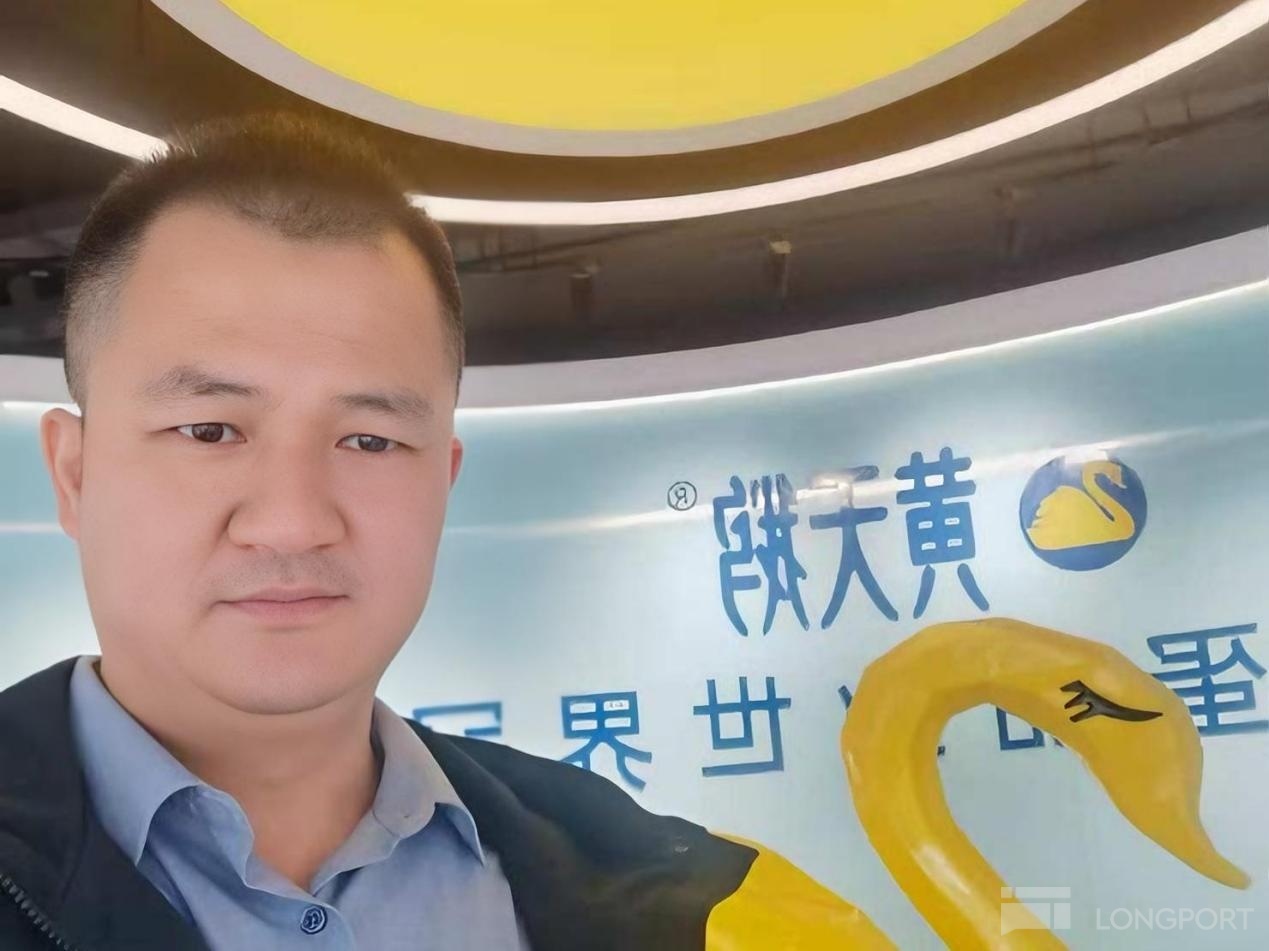
Like many traders, Xie Xiaoqiao's trading journey began with stocks and later shifted to futures, spanning over a decade. He never received systematic training, relying mainly on self-study to accumulate trading skills: technical analysis, trading psychology, and market structure mostly came from long-term information filtering and practical reflection.
"Actually, the underlying logic of stocks, futures, and now proprietary trading is the same—it's just the rules that differ," he summarized his experience.
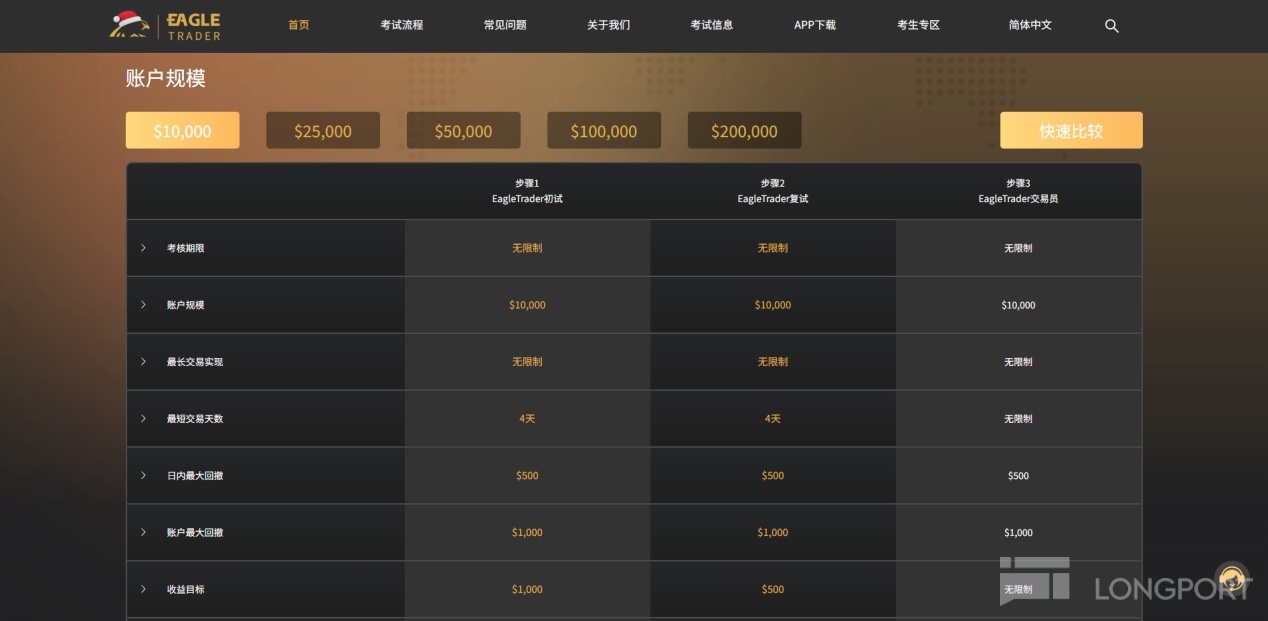
It was precisely the "difference in rules" that piqued his interest when he came across the EagleTrader proprietary trading exam—his first exposure to the proprietary model. After learning about the exam via Xiaohongshu, he didn't sign up immediately but repeatedly verified EagleTrader's reliability, even sought opinions from friends in investing. However, the feedback wasn't optimistic, with many bluntly saying it was "untrustworthy."
Even so, he decided to give it a try, "half-believing, half-doubting, but controllable."
The First Failure Exposed an Old Problem
Xie Xiaoqiao's first attempt at the exam ended in failure—a typical "reckless operation" led to an account blowout. He didn't shy away from this failure; instead, he considered it the most crucial step in the entire process.
"I thought I could pass on the first try, but I ended up making the same old mistakes."
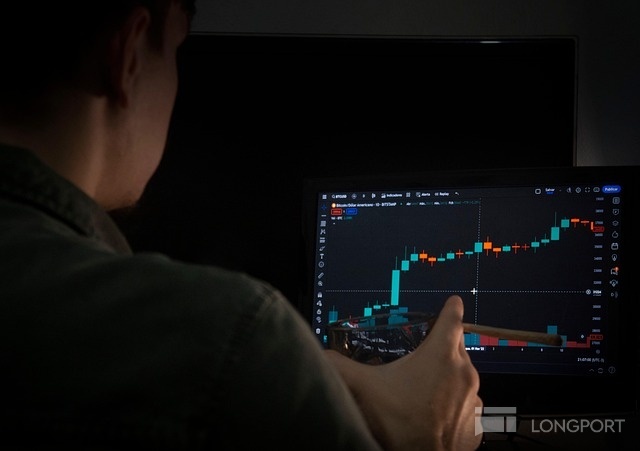
In his view, this failure wasn't a technical issue but a behavioral inertia developed over years of live trading—continuously increasing positions, speeding up trading pace, and gradually losing control over drawdown tolerance. The rules of the proprietary exam clearly exposed these problems.
For his second attempt, he deliberately slowed down. Positions were lighter, trades fewer, and drawdown vigilance higher. With these adjustments, he finally passed the assessment and completed his first profit split.
"This profit split was $4,000, and the registration fee was refunded after passing." Only when the funds actually arrived did he truly believe: this model was real.
Rules Are Not Constraints
During the interview, Xie Xiaoqiao repeatedly emphasized one keyword—rules.
Unlike live trading, proprietary trading doesn't allow traders to arbitrarily increase risk or "gamble" to turn things around. This environment forces traders to confront their own issues.
"Whatever flaws you have, the market will magnify them."
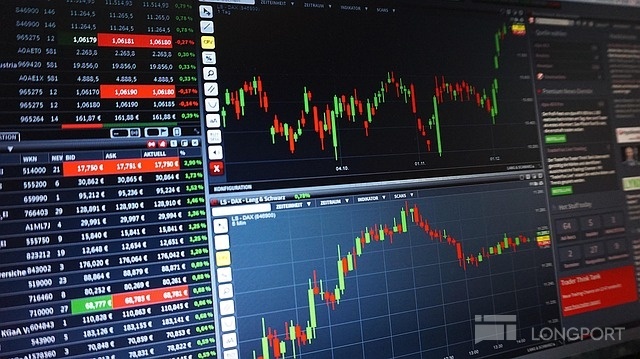
Without rule constraints, this magnification directly manifests as losses; in a proprietary trading environment, it first appears as "you can no longer continue trading."
For him, this mechanism isn't a limitation but a form of self-correction under external constraints. It was through this process that he gradually grasped the essence of stable trading—not frequent actions but long-term sustainability.
Trading and Management Train the Same Skill
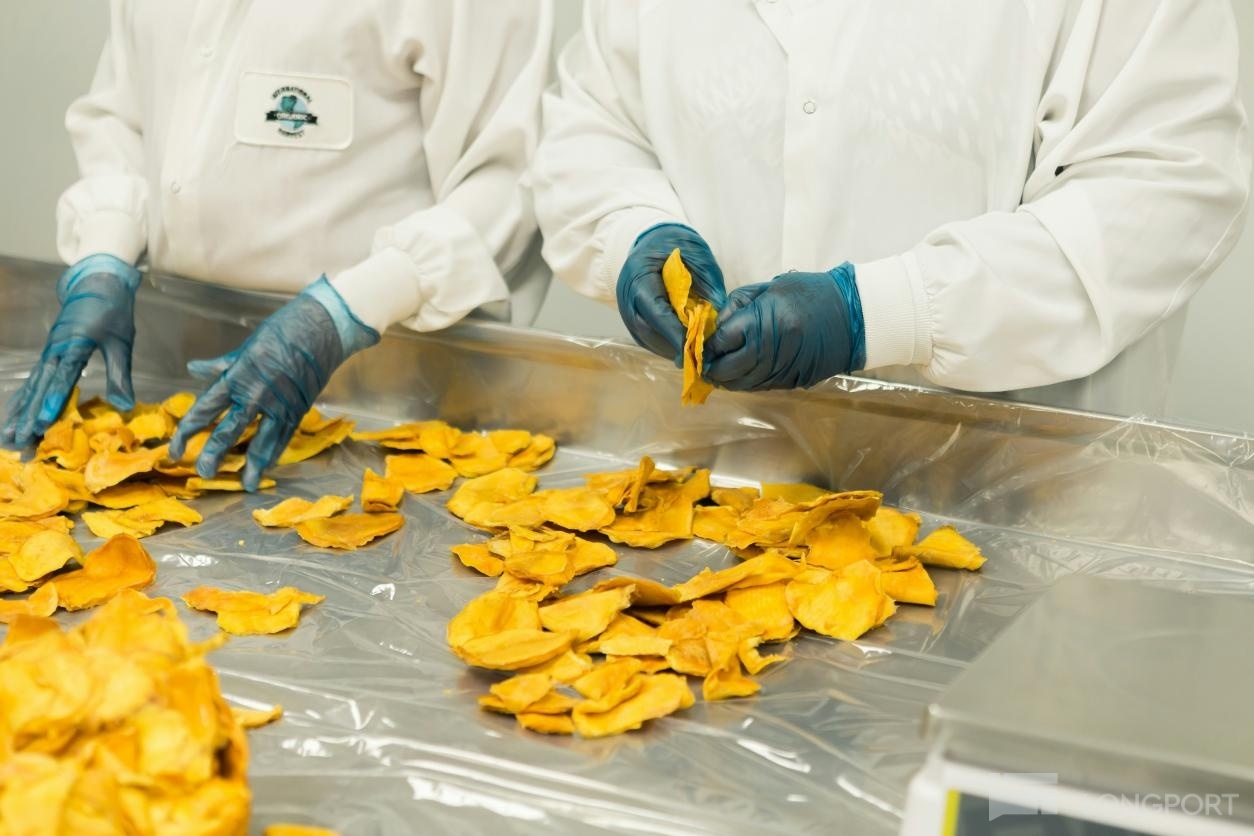
As a factory manager, Xie Xiaoqiao doesn't see trading and work as entirely separate. Instead, he believes they share highly similar underlying skills.
Trading tests emotional stability, risk judgment, and decision-making delays; management does the same. Years of trading have made him calmer and more thorough in handling tasks, while management experience has helped reduce impulsiveness in trading.
"As long as they don't conflict, they actually complement each other."
This dual role also keeps him rational about "part-time trading": he isn't pursuing full-time trading now but sees it as a long-term investment in skills.
After completing his first profit split, Xie Xiaoqiao has already signed up for a second account and started focusing on higher-level rule systems and long-term planning. He knows well that the real challenge of proprietary trading isn't passing the exam but having the ability to manage funds sustainably.
Xie Xiaoqiao's experience represents many traders in the "experienced but unstable" phase: they know the techniques, have seen risks, and are aware of their flaws, but lack a trading environment that can consistently discipline behavior and amplify execution.
For these traders, participating in a strict proprietary assessment isn't just about "pursuing profits"—it's about using a set of rules to verify whether they truly have the ability to trade stably.
The copyright of this article belongs to the original author/organization.
The views expressed herein are solely those of the author and do not reflect the stance of the platform. The content is intended for investment reference purposes only and shall not be considered as investment advice. Please contact us if you have any questions or suggestions regarding the content services provided by the platform.
