


 Feed Explorer
 Rate Of Return
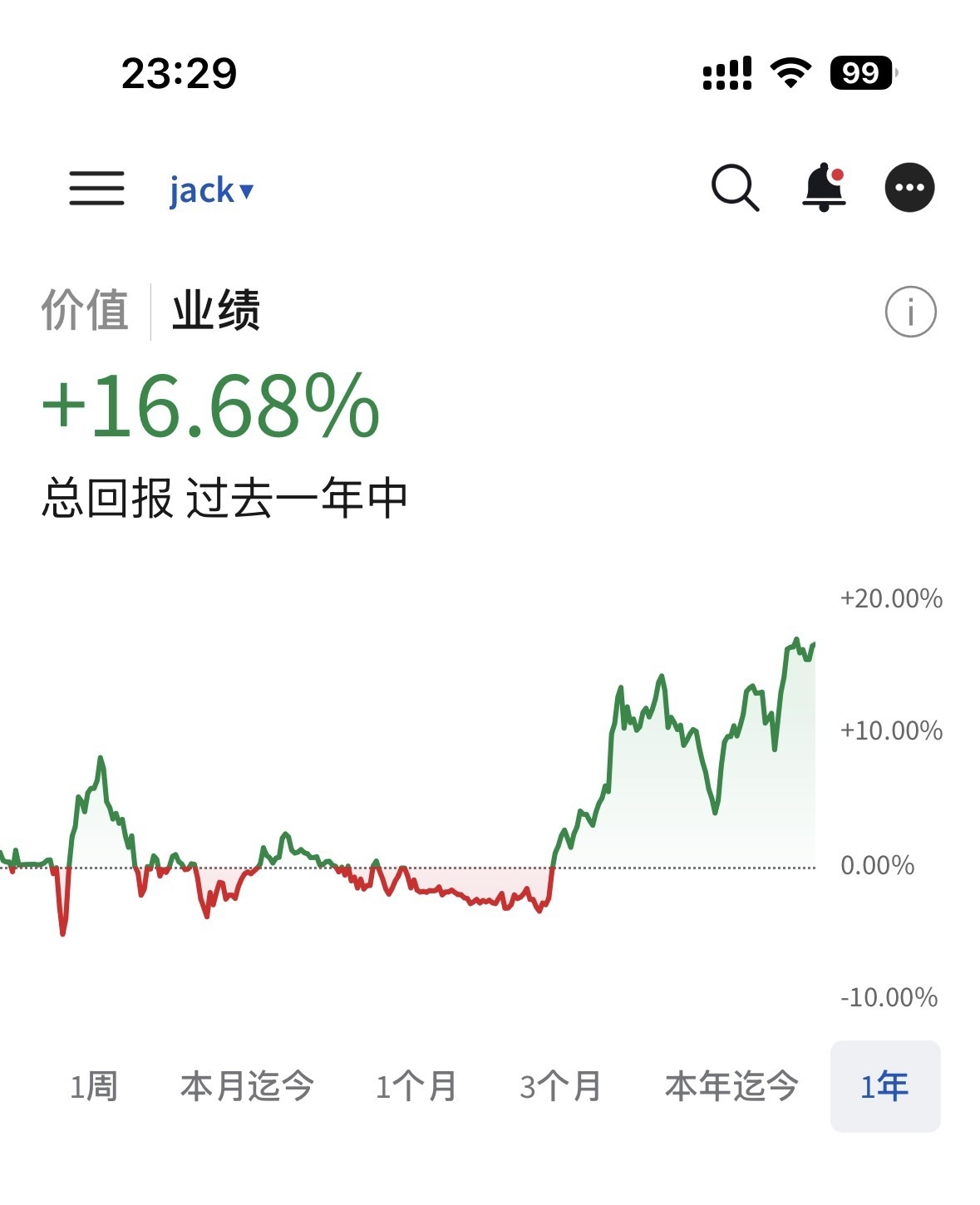
2025 Annual Summary

In the first half of this year (before September), I was engaged in high-frequency trading in the US stock market, but my profits mainly started to come in from September. Although I was trading frequently before September, my returns didn't improve. Especially after the April tariff storm, the market entered a phase of strong rebound and continuous upward trends, while my performance curve was slowly declining. Looking back now with hindsight: in April, simply making large purchases and holding would have boosted my annual returns. But at that time, I didn't have the same level of awareness. Instead, I kept experimenting with small positions through high-frequency trading. I also didn't have any expert guidance like in novels.
Looking back, it's all been lessons learned the hard way. Fortunately, I only lost time, not money. For me now, the concept of opportunity cost is still far beyond my reach. What matters is what I've learned during this period of losses. For example, I realized I can't win in ultra-short-term trading, so I'll reduce such behavior in my overall investment strategy. What I should do is allocate large positions to buy & hold. Select quality stocks, buy at low prices, and wait patiently for opportunities. (At low prices, there's enough time to research a company—its business scope, profitability, sustainability, etc.) In the end, it's all about the principles repeatedly emphasized by the 'Great Way.' Do the right things, and do things right. Now I increasingly believe: knowing what you can't do is more important than knowing what you can do! The wisdom shared by Buffett, Munger, and other value investors is truly valuable.
Now I also view investment returns more calmly. Getting rich slowly is the norm; sudden wealth is just an extreme case in a normal distribution. And very few can sustain rapid wealth gains. From April to October this year, the entire market was in a continuous upward recovery phase. During this period, simply buying any stock and holding it would have yielded significant profits. (NVDA rose over 100% from its April low; using Calls could have amplified profits even further.) But in November's correction, many people even gave back all their annual gains to the market.
The ability to do things right is crucial. During the peak of the April tariff storm, those who couldn't go against the trend and take heavy positions in the 'Magnificent 7' fundamentally didn't understand those companies. There's a classic saying from the 'Great Way': only participate in businesses you understand. Understanding means having the confidence to take heavy positions—that's true comprehension. An ordinary person like me can't achieve what the 'Great Way' advocates—'daring to bet everything.' But that doesn't diminish the validity of this philosophy. A rough understanding is enough—investing spare cash in a good company. Ignore the ups and downs, ignore who made how much today or who joined a long uptrend tomorrow.
Recently, I read the book 'Chip Wave' recommended by 'Value Brother,' which deepened my understanding of TSM. So I dared to add positions during this recent pullback. After all, such a great company—what's there to fear? Can I find a better company or a more suitable opportunity?
This entire piece reflects the ideas propagated by the 'Great Way' and my own reflections. I hope my 2026 returns can maintain their current level. If they could go even higher, that'd be even better.
The copyright of this article belongs to the original author/organization.
The views expressed herein are solely those of the author and do not reflect the stance of the platform. The content is intended for investment reference purposes only and shall not be considered as investment advice. Please contact us if you have any questions or suggestions regarding the content services provided by the platform.
