


 Trending Creators in 2025
 Rate Of Return
Core analysis after the US stock market on January 8, 2026

1. Overall Market Trend: High Opening, Low Closing, and Divergence, Tight Liquidity
The three major U.S. stock indices showed mixed performance, with the Dow Jones Industrial Average rising slightly by 0.55% to 49,266.11 points, the S&P 500 edging up 0.01% to 6,921.46 points, and the Nasdaq Composite falling 0.44% to 23,480.02 points, dragged down by tech stocks. The market continued its "high opening, low closing" pattern, reflecting cautious sentiment, primarily due to tightening liquidity and declining risk appetite for high-valuation assets.
2. Core Sector Performance and Driving Logic
- Chip and Memory Sector: Collective Pullback, Valuation Concerns Dominate
• Sector Performance: Chip and memory stocks, which had seen significant gains earlier, experienced a sharp pullback, validating the "no rise without a fall" rule, with only Google showing relative resilience in the sector.

• Reasons for Pullback: Renewed concerns over tech stock valuation bubbles, coupled with cooling expectations for Fed rate cuts, increased selling pressure on risk assets. Earlier positive news about Samsung and SK Hynix planning significant price hikes in Q1 had been partially digested, and short-term profit-taking exacerbated volatility.
- Defense Sector: Policy Support Drives Rally, Then Retreat
• Sector Performance: The defense sector became the top performer of the day, with the U.S. defense index surging 3.07%, Kratos Defense soaring over 13%, and Lockheed Martin rising over 4%. However, stocks like Boeing saw a rally followed by a retreat.
• Driving Factors: Trump's proposal to significantly increase the 2027 defense budget to $1.5 trillion from current levels, funded by tariff revenues, provided strong sentiment support. However, the subsequent retreat reflected market caution over policy implementation and corporate earnings realization.
- Precious Metals Sector: Weight Adjustments and Dollar Rebound Weigh on Gold and Silver
• Sector Performance: Gold futures dipped slightly by 0.04%, while silver futures plunged 3.18%, significantly underperforming the market.
• Core Reasons: The Bloomberg Commodity Index's annual weight rebalancing began, with gold's weight cut from 20% to 14.9% and silver's from 9% to 3.9%, forcing tracking funds to adjust positions. Additionally, the recent rebound in the U.S. dollar index prompted some investors to take profits, intensifying selling pressure.
- Cryptocurrency Sector: Pre-Market Drop Followed by Stabilization, Policy Support Provides Floor
• Sector Performance: Bitcoin and Ethereum tumbled in pre-market trading but gradually stabilized during the session, maintaining high levels. However, year-to-date losses still exceeded 7%, erasing all gains for the year.
• Supportive Factors: Multiple U.S. states, including Arizona, advanced legislation for Bitcoin strategic reserves, allowing state funds or retirement systems to invest in cryptocurrencies. Additionally, some House members entered the Bitcoin market, boosting policy recognition and sector support.
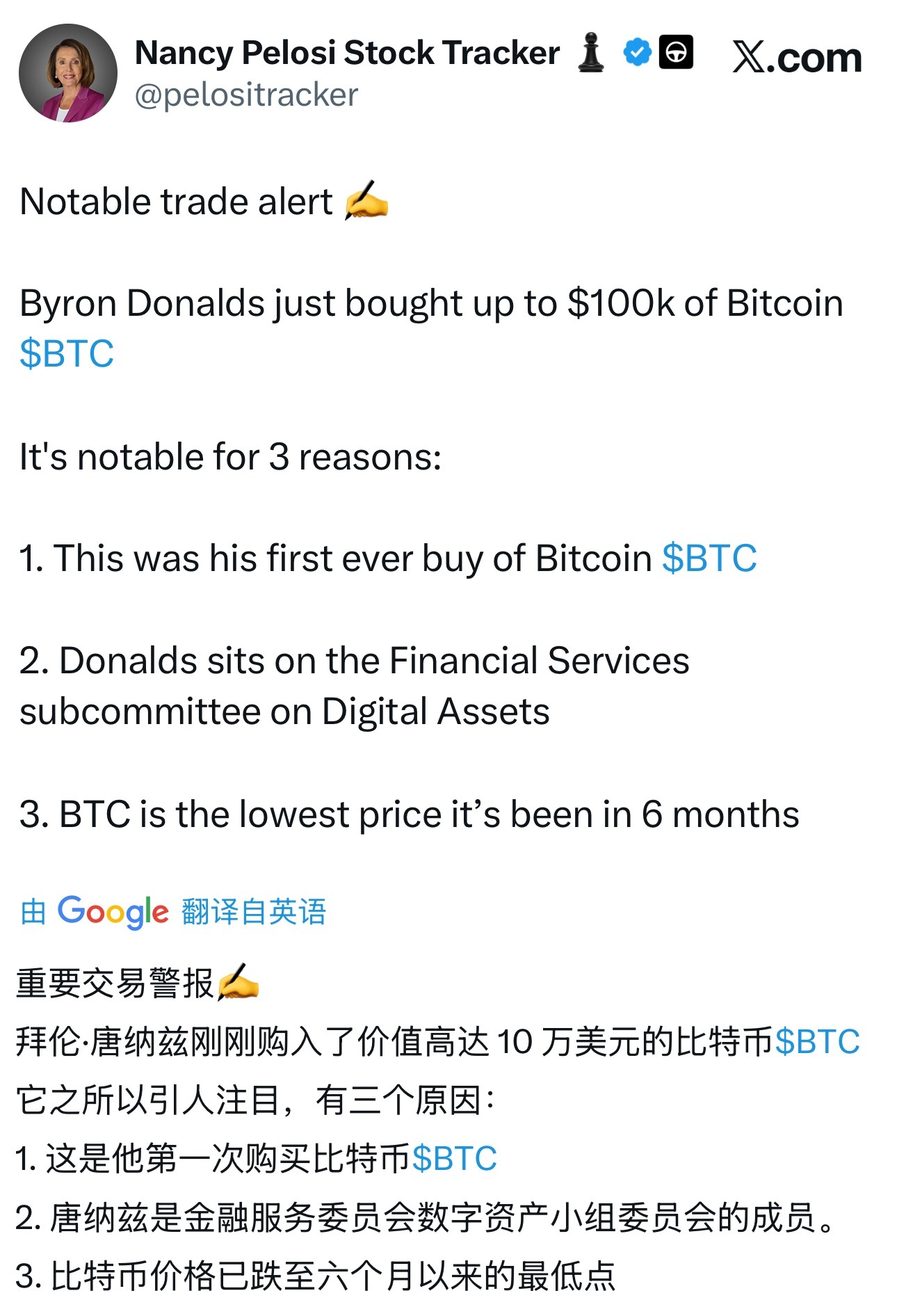

• Risk Factors: Hawkish Fed officials cooled rate-cut expectations, and cryptocurrencies, as risk assets, still face liquidity tightening pressures. Over the past 24 hours, $831 million in contracts were liquidated across the network.
3. Key Market Variables and Liquidity Analysis
- Fed's $8.2 Billion RRP Operation: Stabilizing Bank Liquidity, Not Flowing into Capital Markets
The Fed conducted an $8.2 billion short-term RRP (reverse repo) operation, part of its routine $40 billion monthly bond-buying program. The primary goal is to maintain banking system liquidity and prevent liquidity crunches caused by real estate loan maturities and potential default risks. This is not new liquidity injection, and the funds will not flow into capital markets like stocks, reflecting tight liquidity in the banking system.
- Friday Key Event Preview: Supreme Court Tariff Ruling to Have Far-Reaching Impact
The U.S. Supreme Court will rule on January 9 on the legality of Trump's tariff policies. The decision will directly impact commodity trends: if ruled illegal, prices of previously tariffed goods may fall, benefiting international trade; if ruled legal, global trade uncertainty will intensify, potentially driving up commodity prices and trade costs. A compromise solution would stabilize trade in the short term but leave long-term uncertainty.
4. Follow-Up Strategy: Focus on Discounted Assets and Cash Flow, Avoid High-Valuation Sectors
With tightening liquidity and lingering policy uncertainty in the U.S. stock market, the core allocation logic should revolve around "margin of safety": prioritize assets with valuation discounts and strong moats (sustainable stable cash flow), avoid high-valuation sectors reliant on growth expectations, and mitigate downside risks from earnings misses or liquidity tightening. Meanwhile, closely monitor Friday's tariff ruling and non-farm payroll data to dynamically adjust positions in response to market volatility.
The copyright of this article belongs to the original author/organization.
The views expressed herein are solely those of the author and do not reflect the stance of the platform. The content is intended for investment reference purposes only and shall not be considered as investment advice. Please contact us if you have any questions or suggestions regarding the content services provided by the platform.
