


ATAT: How the 'Haidilao' of Hotels Was Built? ---
In China’s cutthroat hotel market, Atour is a puzzling outlier that rivals both envy and fail to decode. It cannot match Huazhu or Jin Jiang on scale, and it does not compete with Marriott or Hilton on luxury. On the surface, Atour sits awkwardly in the mid-to-upscale niche that is easy to fall between two stools.$Atour(ATAT.US)
Yet in 2024, as the industry slid into a price war and a wave of closures, Atour broke away with 50%+ revenue growth and 70%+ profit growth, emerging as the sole high-growth benchmark. What exactly enables this brand to carve out growth in a narrow lane? And what disruptive logic underpins its dual-engine model of 'lodging + retail'? Dolphin Research takes a closer look at what sets Atour’s biz. model apart.
Below is the full analysis:
I. Where does the mid-to-upscale premium come from?
Before diving in, a quick overview of Atour’s biz. and model. Broadly, Atour runs two segments: hotels and retail.
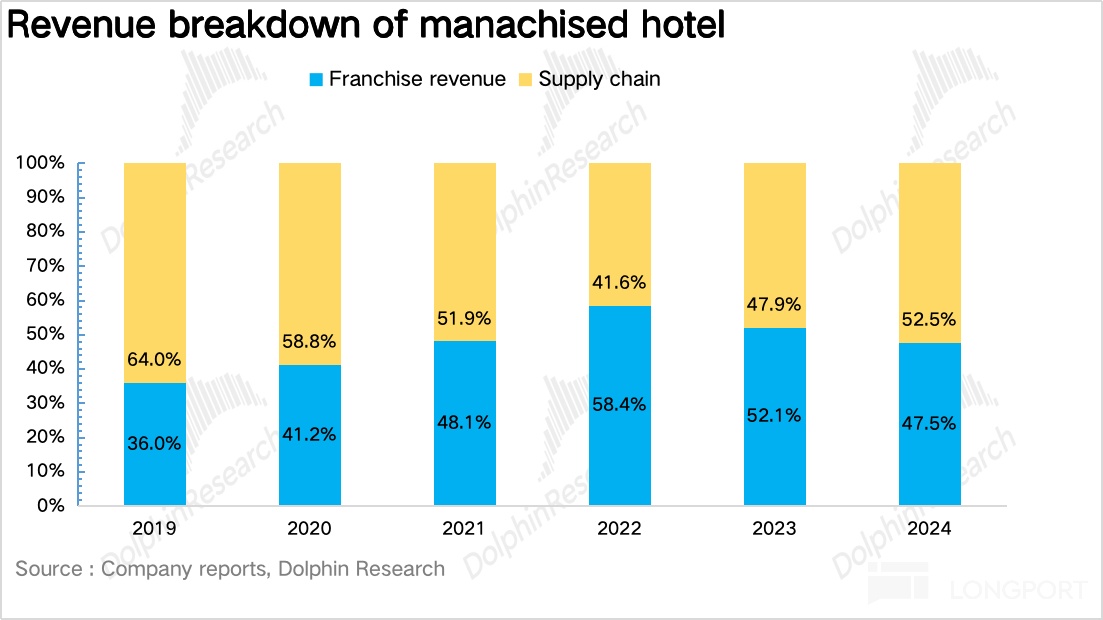
Hotel biz.: As of 2024, hotels account for 67% of revenue. The model spans franchised and self-operated hotels, broadly similar to leading chains like Huazhu, with franchise making up nearly 60% of hotel revenue.
On the franchise side, one revenue stream comes from recurring fees for brand, management, systems and service (6% of monthly GMV, including a 2% brand fee and 4% management fee) plus one-off franchise fees. Overall, earnings correlate with franchise scale (installed base) and operating efficiency (RevPAR). The other stream is supply-chain revenue from standardized materials provided to franchisees to ensure brand consistency. Because franchisees make concentrated one-off purchases during the pre-opening phase, supply-chain revenue is tied to the opening cycle and is thus more volatile than franchise fees. With accelerated openings since 2023, supply-chain revenue mix has risen in the past two years.
Self-operated: Atour’s origin story, involving leasing buildings, self-financing capex and hiring staff to operate hotels—classic asset-heavy. As the company pivots to a lighter franchise model, this piece has been shrinking, with its mix down from 39% to around 10%.
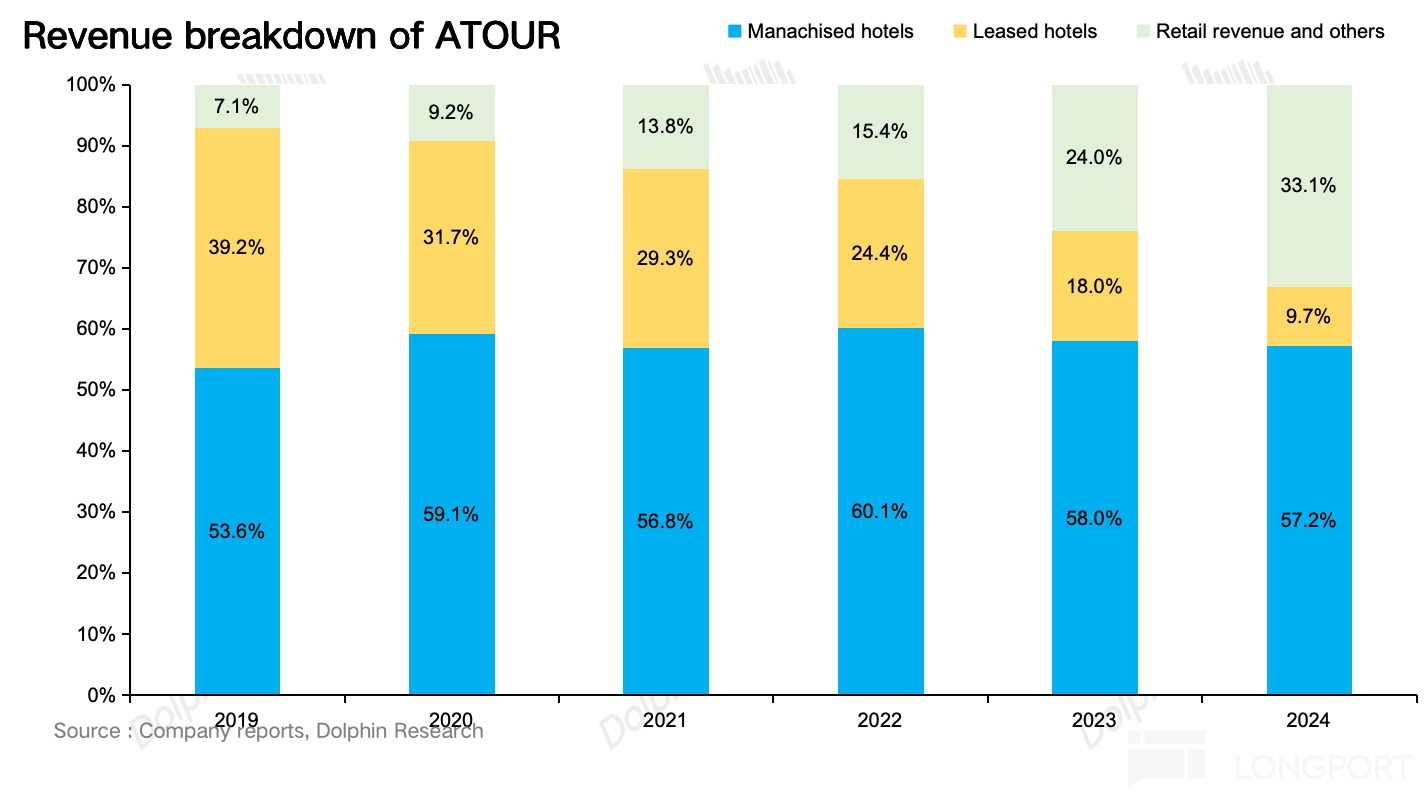
Retail biz.: Launched in 2016, initially positioned as a 'middle-class lifestyle' play with 'all-scenario shopping'. Leveraging hotel locations to sell everyday goods, F&B and home items, the range was broad but brand identity weak, relying on OEM or co-branded products and lacking hero SKUs—effectively a 'hotel-version MINISO'. Results were poor, with limited synergy to the hotel biz. and serving only as a supplement.
In 2021, Atour created its own brand 'Atour Planet', cut most miscellany and focused on the sleep scenario most integral to the hotel experience. It then went heavy on content marketing on Douyin and Xiaohongshu, and built an in-house e-comm team to shift the battlefield online.
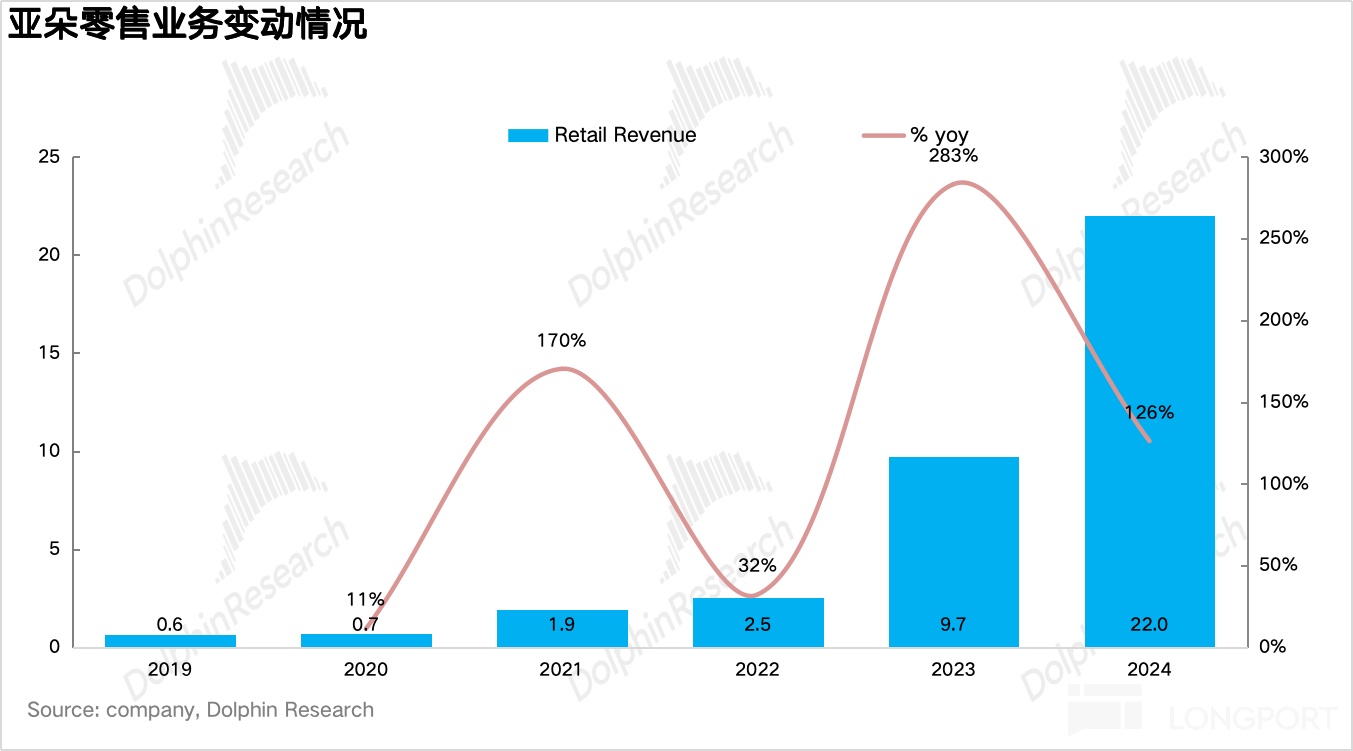
After launching the 'Deep Sleep Pillow Pro' in 2023, online sales took off and retail exploded. Retail now contributes 33% of revenue, up from under 10%, forming a 'second growth curve', with online accounting for 90%+.
Given the unique nature of Atour’s retail, we will discuss it separately later. First, from a comparative lens, how does Atour’s hotel logic differ from Huazhu despite similar monetization?
1) Differentiated entry into mid-to-upscale to avoid red-ocean rivalry
Back to 2013 when Atour was founded. China’s 'economy hotel four'—Home Inns, Hanting, 7 Days, and Jinjiang Inn—had formed an oligopoly with CR4 over 50%, making 'cost and efficiency first' the dominant local playbook.
In short, economy hotels had entered a red-ocean price war as product and service were highly homogenized, leaving price cuts as the only lever to win guests. Meanwhile, the 'big four' were still consolidating via M&A, squeezing smaller brands out.
On the other side, the high-end hotel market centered on four- and five-star properties, with the ultra high-end dominated by global brands and a full-service model (F&B, meeting and recreation facilities) that emphasized brand premium and property appreciation. This was asset-heavy, with single-hotel capex often above RMB 500 mn and a 10–15 year payback.
Against this backdrop, Atour bypassed both economy and high-end to enter the then-blue-ocean mid-to-upscale segment with a differentiated approach.
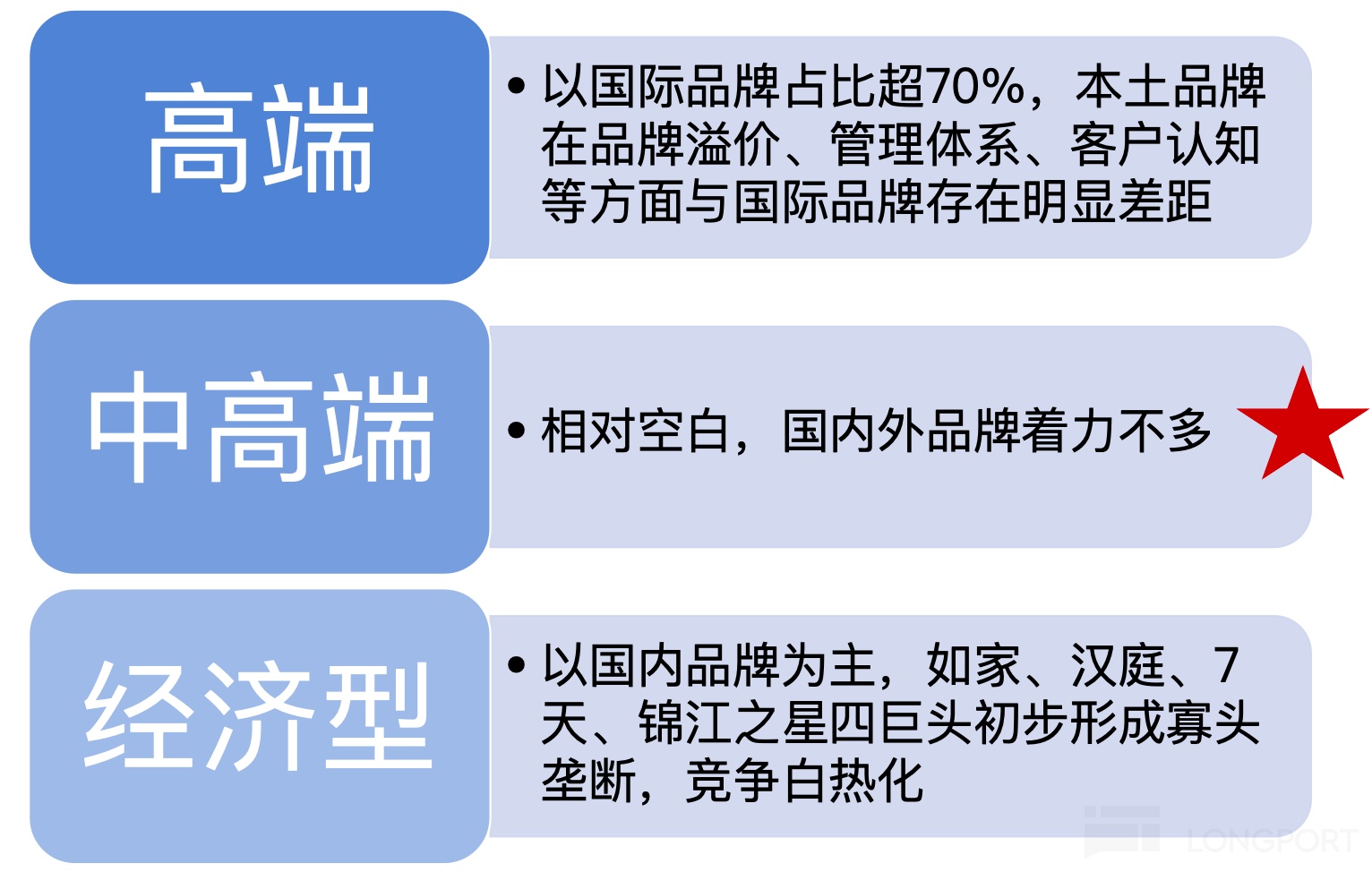
Source: China Tourist Hotel Association; compiled by Dolphin Research
2) Cut redundant features, double down on experience
Positioning-wise, Atour targets mid-to-upscale customers. They have clear trade-offs: not satisfied with the bare-bones and rough experience of economy hotels, yet unwilling to pay for non-essential services at high-end hotels.
Based on this, Atour put guest experience at the strategic core from day one, then used fine-tuned management to balance cost and efficiency. Dolphin Research sees three pillars:
a) Heavy on soft finishes, light on hard finishes:
Unlike traditional mid-to-upscale peers who emphasize 'hard over soft', Atour flips the script and spends on visible, tactile details that guests most perceive. First, for hard finishes, rooms follow 'practical and timeless' principles, avoiding complex forms and luxury stonework, using fast-install methods and meeting only core needs (soundproofing, waterproofing, safety), with non-critical areas simplified, which shortens the project timeline.
On soft finishes, drawing on the insight that business travelers often sleep poorly, Atour allocates more budget to sleep experience. Custom memory-foam mattresses, Deep Sleep pillows and temperature-control duvets together account for 40%+ of soft-finish capex, far above Huazhu’s mid-to-upscale brands such as Ji Hotel or Orange (20%–30%).
Beyond rooms, versus Ji Hotel’s 'one look fits all' standardized design, Atour’s design team visits local museums, heritage workshops and old neighborhoods during pre-opening to identify 3–5 cultural symbols. These are modularized into décor via photography, bamboo libraries, etc., crafting a 'one city, one hotel' identity to enhance the humanistic experience.
This approach lowers renovation costs per property while using cultural experiences to lift brand premium and stickiness.
b) Warmer, more human service:
On service, Atour follows the 'peak–end rule'—memories are shaped primarily by the most intense moments (peaks) and the ending, not the average or duration.
It breaks the guest journey into 17 touchpoints across booking–arrival–stay–checkout–repeat, and prioritizes resources to 'peak/end' moments to maximize ROI. Specifically, each guest should experience at least two in-journey peaks and one checkout end-peak.
As shown below, fixed baseline peaks define Atour’s core brand experience and are executed uniformly across all hotels and guests. While some actions overlap with Huazhu’s mid-to-upscale brands (e.g., tea service in the lobby, express checkout), Atour’s service playbook is more granular and better executed in practice.
In addition, beyond fixed peaks, staff are required to tailor 'dynamic peaks' based on customer type, travel purpose and preferences to create personalized moments. For example, for early flights, staff confirm details the night before and pre-pack breakfast.
At the same time, each frontline employee has RMB 500 of discretionary service budget to address contingencies without escalation and create dynamic-peak surprises. Similar mechanisms exist at other mid-to-upscale or premium hotels, but Atour’s empowerment is deeper and more routine.


In our view, Atour’s real innovation is productizing intangible services into concrete offerings with clear value propositions, each defined by 'use case + deliverable + value'. This avoids scattered, ad-hoc personalization while ensuring consistent 'warmth' across hotels and staff, balancing differentiation and efficiency.
With productized services and delivery standards/boundaries set, the question is how Atour ensures consistent execution by staff. We continue below:

Source: Hundun Univ.
c) Dual-track management, deep empowerment, fast feedback
To ensure stable execution, Atour deploys a dual-leader system with both a 'Xianzhang' (GM) and a 'Political Commissar' stationed on-site, both appointed by HQ with independent reporting lines and KPIs.
Specifically, the Xianzhang mirrors a traditional GM, overseeing daily operations, driving SOPs for the 17 touchpoints and supervising staff. KPIs center on RevPAR, OCC and customer satisfaction, acting as the hotel’s 'business CEO'.
The Political Commissar is a unique Atour role focused on building a warm team and ensuring consistent delivery of service values—people first. As shown below, KPIs include culture adherence, staff retention and satisfaction, not revenue metrics, effectively the hotel’s 'culture CEO'.

Because Atour’s service model ultimately depends on people, frontline staff directly determine service warmth. The Political Commissar is thus critical as the primary owner of capability-building. Through daily huddles, case reviews and team activities, plus care and respect, staff truly live out 'warm service' in front of guests.
In that sense, the Political Commissar is Atour’s ballast for the service system. Service industries ultimately compete on people; whoever better 'activates' frontline staff will deliver better service and retain guests. This role addresses the organizational challenge of consistent service execution. Data in the 2024 China Chain Hotels Service Quality White Paper show Atour’s service consistency and staff retention far exceed industry averages.
In practice, the Xianzhang does not interfere in culture/HR, and the Political Commissar stays out of business decisions; both are top hotel leaders at the same level, reporting to regional heads. They also collaborate deeply on service quality and people management to ensure unified delivery of 'standardized service + personalized warmth', the core logic behind Atour’s sustained lead in the mid-to-upscale space.
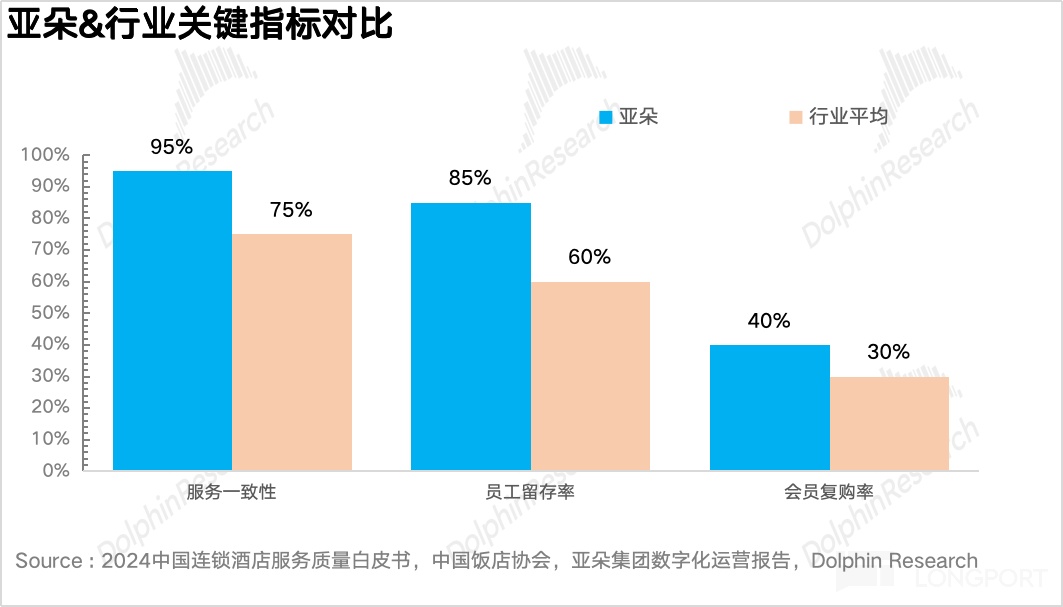
From an operations perspective, adding the Political Commissar and more service staff raises the staff-to-room ratio and management costs. Yet with similar OCC, Atour’s ADR is 5%–10% higher than peers in the same tier (e.g., Orange Crystal, Puyin), and that premium stems from the differentiated service above. Moreover, experience-first strategies strengthen stickiness and build a loyal core base. Data show Atour’s core members have a repeat rate over 5ppts higher than the industry average, which adds resilience in downturns.
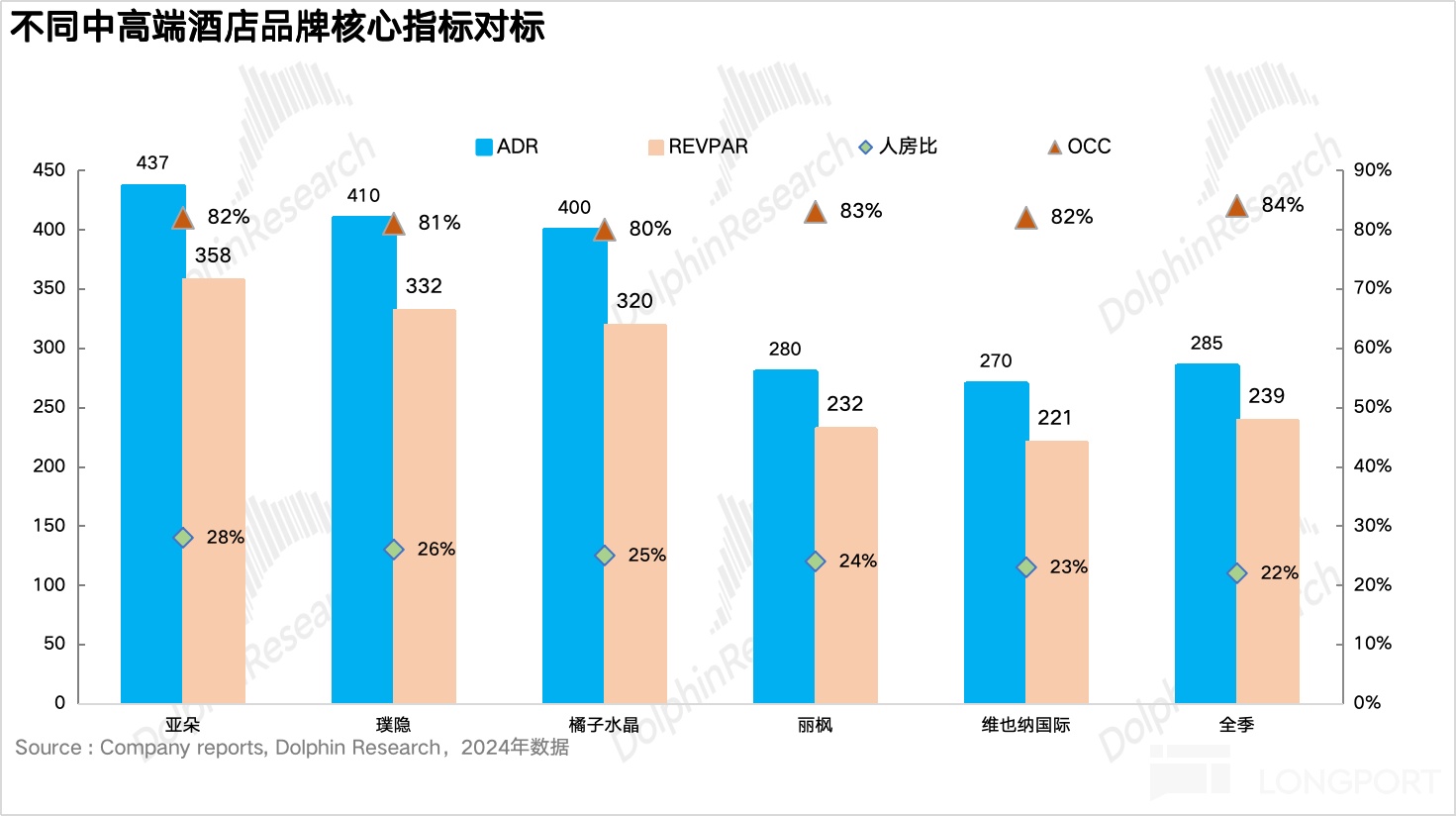
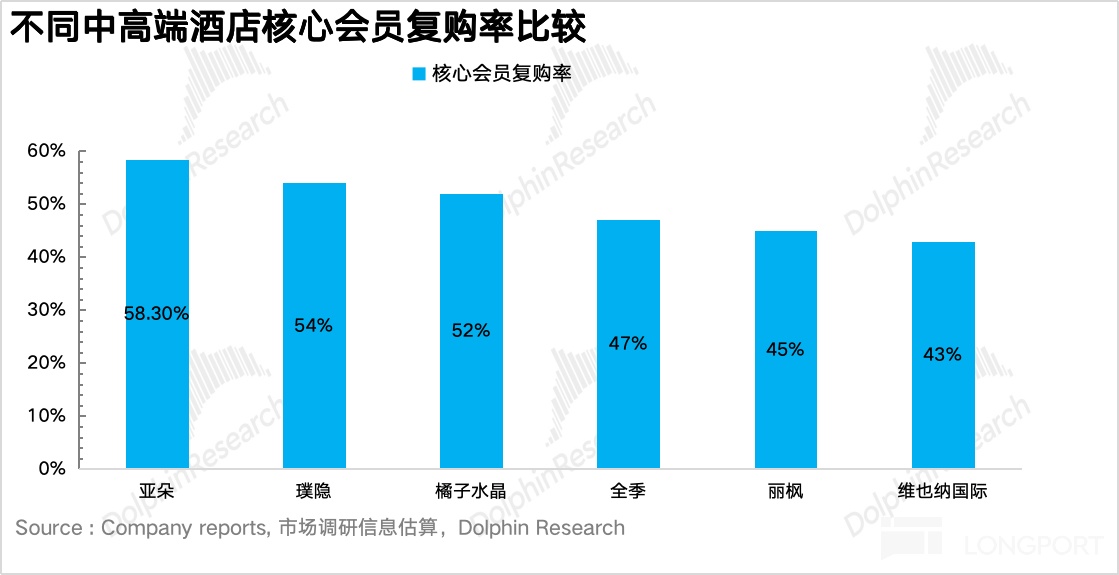
In sum, versus Huazhu’s mid-to-upscale brands (Ji Hotel, Orange Crystal, etc.), Atour avoids head-on competition in scale and standardization and instead leads with experience. Through personalized, productized services and efficient feedback loops, it creates a virtuous cycle of higher people investment → stronger experience premium → higher ADR → higher RevPAR.
II. From selling rooms to selling sleep: building 'deep-sleep believers'
That is how Atour established itself in mid-to-upscale hotels via differentiation. Next, we examine its fast-growing retail biz. Atour is not the first hotel to try retail, but it is the only one to turn it into a true second growth curve.
As the chart shows, retail revenue was under RMB 100 mn in 2019. In just five years, retail revenue reached RMB 2.2 bn in 2024, now 30% of total, raising the question: how did Atour pull this off?
a) Right track, right hero SKU
Just as its hotel biz. targeted a blue-ocean mid-to-upscale lane, Dolphin Research believes Atour’s retail breakout owes much to focusing on the sleep track.
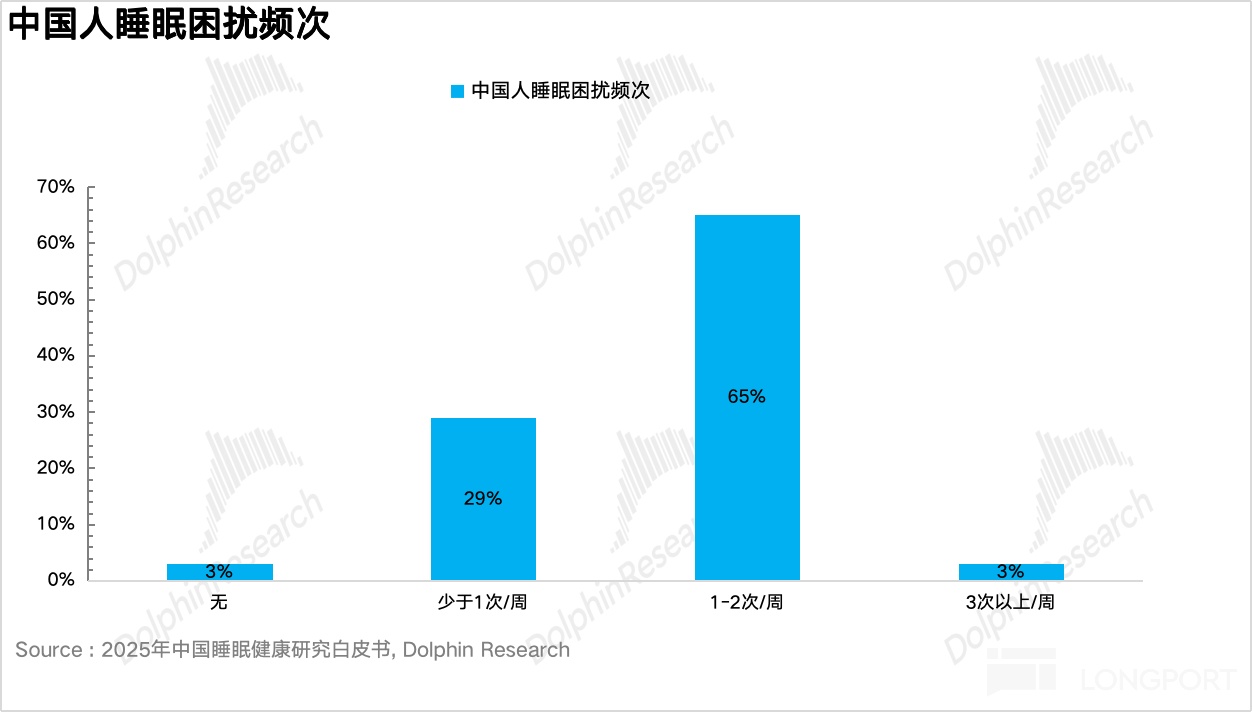
Faster-paced lives and heavier workloads have amplified sleep issues. Per the 2025 China Sleep Health White Paper by the China Sleep Research Society, average nightly sleep is 6.9 hours and 65% of people experience sleep issues 1–2 times per week, with moderate and severe groups still rising.
This has sharpened demand for sleep aids and quality upgrades. As the core high-frequency touchpoint, bedding is increasingly the first choice for consumers to improve sleep quality.
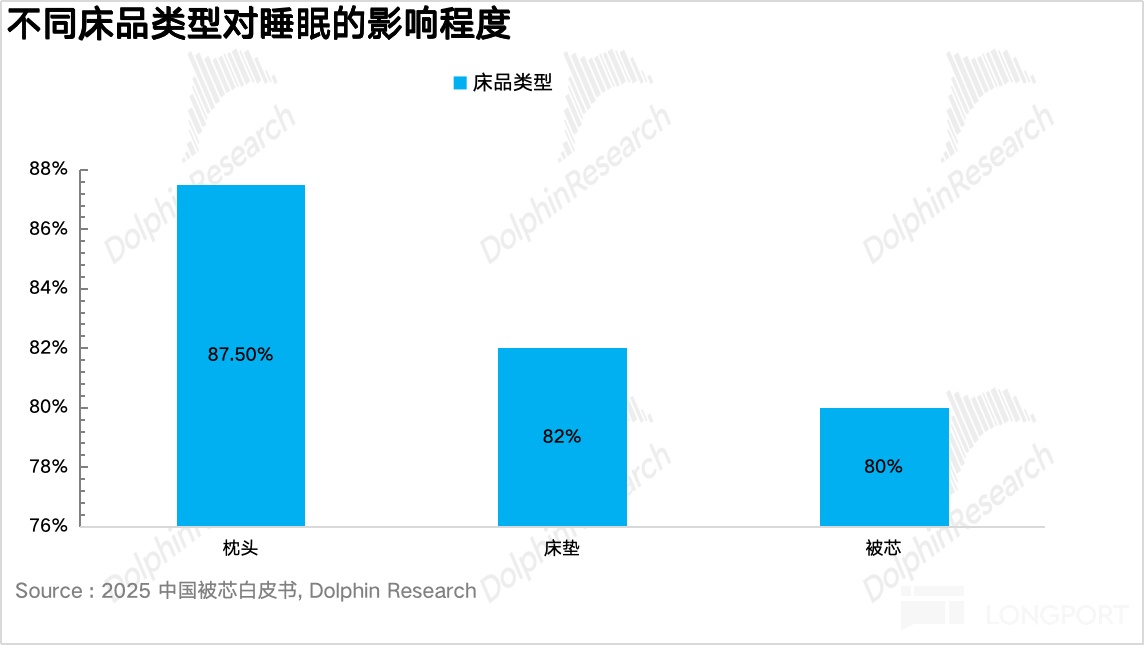
Within bedding, Sullivan’s survey shows consumers see pillows as the most impactful on sleep, so Atour started with pillows as the wedge.
b) Focus on the sleep experience; product innovation hits pain points
Before Atour’s Deep Sleep Pillow, traditional home-textile pillows focused on 'yarn count' and 'GSM' as key specs because they are easy to standardize in production, ensuring stable quality and simple QC. As a result, products were highly homogeneous and market concentration was very low, with no breakout hero products and CR5 below 5% for years.
The problem is that yarn count and GSM only address basic attributes (firmness and loft) and not the core contradiction that sleep is dynamic and requires dynamic adaptation—body temperature and pressure distribution vary by zone during sleep.
Against this, Atour’s R&D launched the Deep Sleep Pillow Pro 1.0 in 2023 to tackle two key pain points: dynamic pressure stabilization and intelligent thermoregulation. On pressure, a three-zone design (head cradle, neck support, shoulder fit) uses different firmness levels (softer head, firmer neck, medium shoulder) to disperse cervical pressure, maintain a natural curve and keep pressure within a comfort threshold.
On temperature, the pillow cover combines cool-touch fibers with a moisture-wicking layer. The cool-touch surface lowers skin temperature to aid sleep onset, while the inner layer absorbs sweat overnight to avoid dampness, achieving dynamic thermal balance.
Thanks to this deep consumer insight, the first-gen Deep Sleep Pillow became a bestseller on launch, hitting No.1 across platforms within nine months.
c) Hotel flywheel 'transfuses' retail; high-frequency drives low-frequency
Great products still need discovery. The pivotal catalyst for Atour’s retail breakout is the hotel biz. itself.
On one hand, all Atour sub-brands equip rooms with the Deep Sleep Pillow, making guest rooms the most direct and effective demo and trial space. This 'what you use is what you buy' experience sharply lowers decision barriers and lifts conversion. Through hundreds of millions of in-hotel trials, Atour cemented the association 'Atour pillow = high-quality sleep' in consumers’ minds—real, felt experiences beat any ad.
On the other hand, Atour integrates lodging and retail memberships via its own app. Lodging points can 100% offset retail purchases, and retail spending also accrues lodging points, turning 100 mn+ hotel members into a natural traffic pool for retail.
In effect, high-frequency lodging solves three chronic issues of low-frequency retail: trust, CAC and conversion. Retail buyers, aligned with Atour’s 'sleep habit', then prefer Atour when traveling next time, creating a loop of 'high-frequency → low-frequency, and back'. That is the true moat.
This two-way membership reuse lifts LTV and maximizes per-customer value. Per company disclosures, 60% of 2024 retail revenue came from hotel members, and 67% of active retail members also booked stays, enabling cross-sell.
d) KOL seeding to steer the sleep conversation
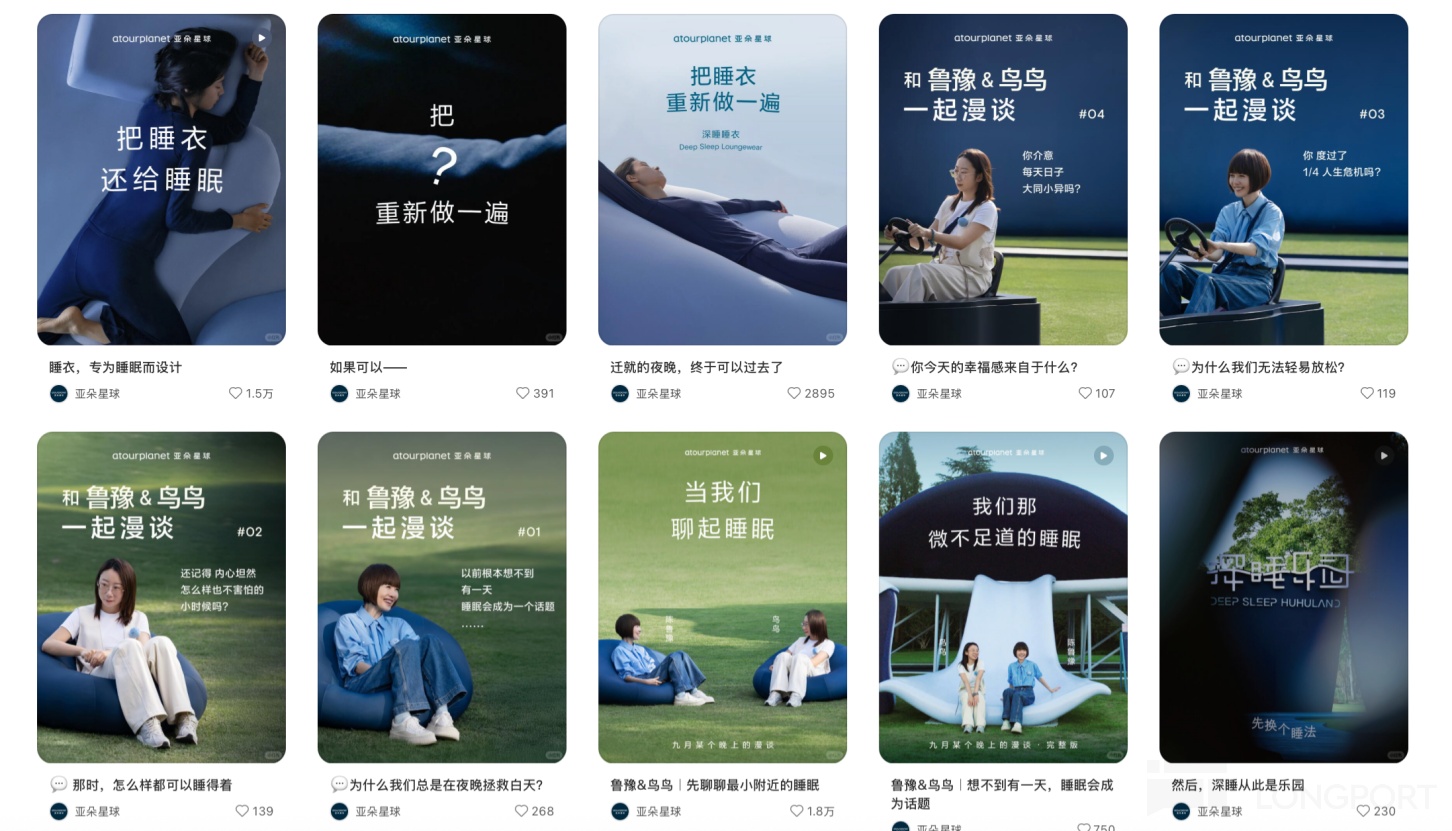
On marketing, Atour focuses content spend on sleep scenarios and insomniacs on Douyin and Xiaohongshu. On Xiaohongshu, it engaged top KOLs like Li Dan, Papi Jiang and Chen Luyu as 'Deep Sleep Experience Officers' and 'neck saviors', using livestreams and dialogues to deepen the 'deep sleep' lifestyle concept and build Atour Planet’s authority in sleep. This catalyzed UGC and a 'seed-and-buy' community flywheel.
Source: Xiaohongshu, Atour Planet
III. Takeaways
Atour is reshaping hotel-industry logic through 'experience depth + scene synergy'. Its edge lies in building a growth ecosystem where hotels and retail reinforce each other—breaking the industry’s scale-first inertia in chains and unlocking a new path to monetize scene value in retail.
In hotels, Dolphin Research sees Atour as analogous to Haidilao: a value-led service system powered by standardized SOPs and staff empowerment, delivering a closed-loop experience, supported by organizational design and talent systems for durable execution. The result is high repeat rates and brand premium.
Retail’s surge is a strategic extension of hotel scene value. By focusing on the sleep track and building hero SKUs like the Deep Sleep Pillow Pro, Atour pinpointed consumer pain points and escaped the early 'hotel-version MINISO' homogenization. With hotels as a natural 'experience venue', it converts hundreds of millions of stays into a trust base for retail, forming a loop where high-frequency lodging drives low-frequency retail and retail mindshare feeds lodging repurchase.
<End>
Risk disclosure and disclaimer:Dolphin Research Disclaimer and General Disclosures
The copyright of this article belongs to the original author/organization.
The views expressed herein are solely those of the author and do not reflect the stance of the platform. The content is intended for investment reference purposes only and shall not be considered as investment advice. Please contact us if you have any questions or suggestions regarding the content services provided by the platform.
