


 Traded Value
Release schedule for key US macroeconomic data next week (February 16–20, 2026)

📅 Key Economic Data & Market Expectations for Next Week (Including Times)
All times are in ET / Beijing Time (+13 h). Data expectations are based on current market consensus and major institution forecasts (e.g., LBBW, Investing.com calendar summary, etc.)
LBBW +1
🎯 Tuesday — February 17
🕗 08:30 / 21:30
Retail Sales (January, MoM)
Consensus: Approximately +0.3%
Previous/Context: December showed no growth (MoM ~ 0.0%)
The Wall Street Journal
Business Inventories (December)
Expectation: Moderate inventory growth (limited contribution to GDP)
Scotiabank
Empire State Manufacturing Index (February)
Expectation: Approximately +7.4 (slightly above previous)
LBBW
📊 Wednesday — February 18
🕐 09:15 / 22:15
4) Industrial Production & Capacity Utilization (January)
Expectation: Slight growth or moderate
Scotiabank
🕙 10:00 / 23:00
5) Leading Indicators (January)
Expectation: Slight growth (indicating short-term economic resilience)
Scotiabank
🕑 14:00 / Next Day 03:00
6) FOMC Meeting Minutes
No specific value, qualitative policy communication (affects sentiment and rate expectations)
Scotiabank
🌍 Thursday — February 19
🕗 08:30 / 21:30
7) Trade Balance (December)
Expectation: Deficit remains large (trade imbalance drags on GDP)
Scotiabank
Philadelphia Fed Manufacturing Index (February)
Expectation: Moderate expansion range
Scotiabank
🕙 10:00 / 23:00
9) Pending Home Sales (January)
Expectation: Slight decline or flat (housing demand slowing)
Scotiabank
📉 Friday — February 20
🕗 08:30 / 21:30
10) GDP Preliminary (Q4 Annualized)
Expectation: Annualized ~ +2.6% (relying on consumption and business inventory contribution)
LBBW
Personal Income (December)
Expectation: +0.4%
Personal Spending (December) **Expectation: +0.5%**
LBBW
🕙 10:00 / 23:00
12) University of Michigan Consumer Sentiment Final (February)
Expectation: Approximately 57.3, maintaining stable level
LBBW
📈 Typical Impact Logic of Data on Major US Stock Market Sectors
- GDP (Most Critical Macro Growth Indicator)
Expected actual GDP growth ~ +2.6%
Technology Sector (Tech): If GDP exceeds expectations (indicating continued economic expansion), it typically supports high-valuation growth stock premiums; if significantly below expectations, pressure due to declining risk appetite.
Financials Sector (Financials): Better-than-expected GDP often drives upward revisions to bank earnings expectations (enhanced loan/investment growth expectations).
Consumer Sectors (Consumer Discretionary & Staples): GDP acceleration usually benefits consumer company earnings expectations; slowing growth weakens consumption support.
Summary: GDP is the core measure of the economy's "overall momentum." If it exceeds expectations, US stock market risk assets (especially high-valuation growth stocks) typically perform stronger; below expectations is more bearish for overall market sentiment. - Retail Sales
Expectation +0.3% (slight consumption improvement)
Consumer Staples: Even if overall sales data is weak, Staples are often more resilient due to stable daily consumption demand.
Consumer Discretionary: If core consumption growth is weaker than expected, retail, auto, and restaurant stocks face pressure; conversely, it benefits sector valuation recovery.
Technology/Growth Sector: If weak consumption suggests economic slowdown, funds flow to safer assets, potentially reducing allocation to high-risk tech stocks. - Industrial & Manufacturing Indicators (Empire / Philadelphia / Industrial Production)
Industrial Sector (Industrial): If manufacturing indices exceed expectations and industrial output strengthens, industrial equipment, machinery, and energy companies get a boost.
Materials/Energy Sector: Increased manufacturing activity implies higher raw material demand, benefiting the sector's fundamentals.
Technology & Financials Sectors: Manufacturing data strength/weakness is often a risk appetite signal; strong data boosts market risk appetite, benefiting growth/high-beta sectors. - FOMC Meeting Minutes
Core Impact: Rate expectations and risk appetite direction
Dovish (clearer rate cut bias): Beneficial for long-term rates and growth assets (e.g., tech stocks, consumer growth stocks).
Hawkish (maintaining tightening bias): Bearish for high-valuation sectors, may boost USD and bond yields, beneficial for financials (steeper yield curve benefits bank profits). - Consumer Confidence & Personal Spending / Income
Personal spending and confidence expectations stable
Consumer Sectors (Discretionary & Staples): Improved confidence and spending benefit medium-to-long-term earnings expectations; weakness erodes valuation premiums.
Technology Sector: Stable consumer income supports long-term demand for tech products and services, neutral or slightly positive for growth-oriented consumer tech stocks.
Financials Sector: Recovering confidence usually improves loan/credit usage expectations, benefiting bank and financial services stocks.
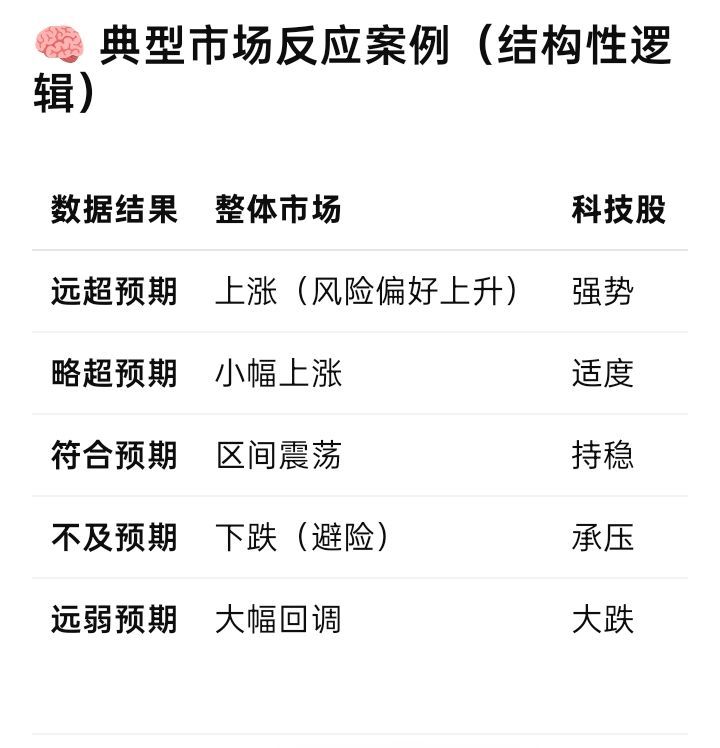
📊 Brief Summary
Focus on two types of data for US stocks next week:
Economic Growth & Consumption Demand: GDP, Retail Sales, and Consumer Spending → Directly impact market risk appetite and company earnings expectations.
Policy Preference Signals: FOMC Minutes → Determine future rate expectations, affecting relative performance of growth vs. value stocks.
The copyright of this article belongs to the original author/organization.
The views expressed herein are solely those of the author and do not reflect the stance of the platform. The content is intended for investment reference purposes only and shall not be considered as investment advice. Please contact us if you have any questions or suggestions regarding the content services provided by the platform.
