


OpenAI 與微軟就合作關係修訂達成初步協議,為重組掃清道路

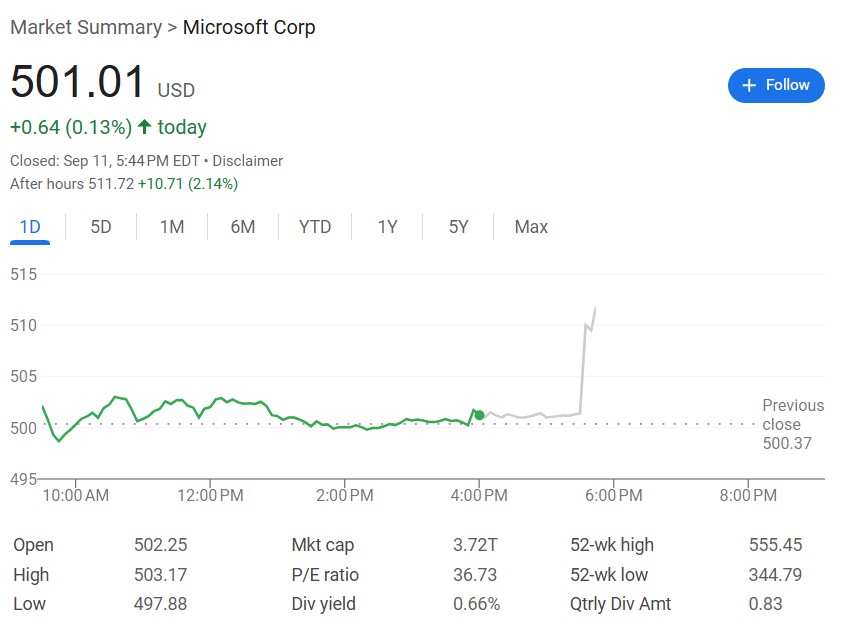
OpenAI and Microsoft announced a preliminary agreement to revise their partnership, clearing key obstacles for the reorganization into a traditional for-profit company. According to the reorganization plan, the restructured nonprofit sector will continue to control the new public benefit company and hold equity worth over $100 billion, accounting for about 20% of the company's sought valuation of $500 billion. Microsoft shares rose by 2% in after-hours trading
OpenAI and Microsoft announced that they have reached a preliminary agreement to revise their partnership, clearing a key obstacle for restructuring into a traditional for-profit company.
On Thursday, OpenAI Chairman Bret Taylor stated in a press release that they have signed a "non-binding memorandum of understanding for the next phase of cooperation" with Microsoft and are actively working on final contract terms.
According to the restructuring plan, the restructured non-profit sector will continue to control the new public benefit company and hold equity worth over $100 billion, accounting for about 20% of the company's sought valuation of $500 billion. It has been reported that the $100 billion equity is just the baseline, and the actual amount may increase.
Bret Taylor emphasized:
OpenAI started as a non-profit organization, is still one today, and will continue to be one in the future. What drives our future will always be the non-profit part.
The achievement of this preliminary agreement marks an important step for OpenAI CEO Sam Altman towards his goal of restructuring the company. Altman and his investors believe that transforming OpenAI into a more traditional for-profit entity is crucial for raising the massive funds needed in the coming years.
After the announcement of the agreement, Microsoft saw its shares rise more than 2% in after-hours trading. However, the deal still requires regulatory approval and faces opposition from multiple parties, including Elon Musk.
Breaking Old Constraints
The rise of OpenAI has been accompanied by challenges stemming from its complex and non-traditional corporate structure.
The company initially started as a non-profit research organization and later established a subsidiary with profit limits to open doors for external investors like Microsoft.
However, as the company seeks to raise billions or even trillions of dollars, this structure has become increasingly restrictive compared to traditional corporate models.
One of the core goals of this restructuring is to avoid a repeat of the "boardroom power struggle" that occurred two years ago, when Sam Altman was briefly fired and then quickly reinstated.
It has been reported that as part of recent funding rounds, OpenAI has promised investors that it will transform into a for-profit entity.
The latest plan is for the new for-profit company to be established as a public benefit corporation, whose board can consider other social goals beyond shareholder returns.
Seeking New Balance in Complex Partnerships
The partnership between OpenAI and Microsoft is regarded as one of the most significant business partnerships in tech history.
Microsoft has invested billions of dollars to gain priority access to OpenAI's technology, including a $1 billion investment in 2019 and an additional $10 billion investment in early 2023.
However, as OpenAI has rapidly grown, this partnership has become increasingly strained.
The two companies compete for customers, and the computing power that OpenAI seeks exceeds Microsoft's supply capacity Another point of contention involves a clause that stipulates that once OpenAI reaches the milestone of "general artificial intelligence," Microsoft's rights to use OpenAI technology will be restricted.
Microsoft has relaxed its control over OpenAI this year, allowing it to advance its own data center project "StarGate," including signing a long-term contract worth $300 billion with Oracle and reaching another cloud service agreement with Google.
Regulatory Scrutiny and Legal Resistance Coexist
Despite progress, OpenAI's restructuring plan still faces significant obstacles.
California Attorney General Rob Bonta and Delaware Attorney General Kathy Jennings are reviewing the company's proposed financial and governance changes.
The two attorneys general issued a joint letter last week expressing concerns about reports related to OpenAI products interacting with children, including a case where a California child committed suicide after interacting with a chatbot. The letter stated:
We collectively believe that OpenAI and the entire industry have not yet reached the necessary level of safety in ensuring the development and deployment of AI products.
OpenAI also faces legal challenges from early supporter Musk.
Musk accuses the startup of deceiving investors regarding its charitable mission commitments and is pursuing litigation. OpenAI has rebutted Musk's allegations, stating that the billionaire is attempting to slow the company's progress.
Additionally, some charitable organizations are calling on regulators to block the deal. These unresolved legal and regulatory issues continue to add uncertainty to OpenAI's transformation journey
